REFURBISHMENT OF THE PUBLIC AND PRIVATE SPACES OF THE RESTAURANT SERVICE AT THE CULTURAL CENTRE
CaixaForum Barcelona Restaurant Kitchen
- Refurbishment
- Hotels and restaurants
- Sustainability
- Collaborative project delivery
- Heritage
- Restoration


CaixaForum Barcelona is a cultural centre located on Montjuïc hill, housed in a Catalan Modernist building listed as a Cultural Asset of National Interest (BCIN), designed by architect Ramon Puig i Cadafalch.
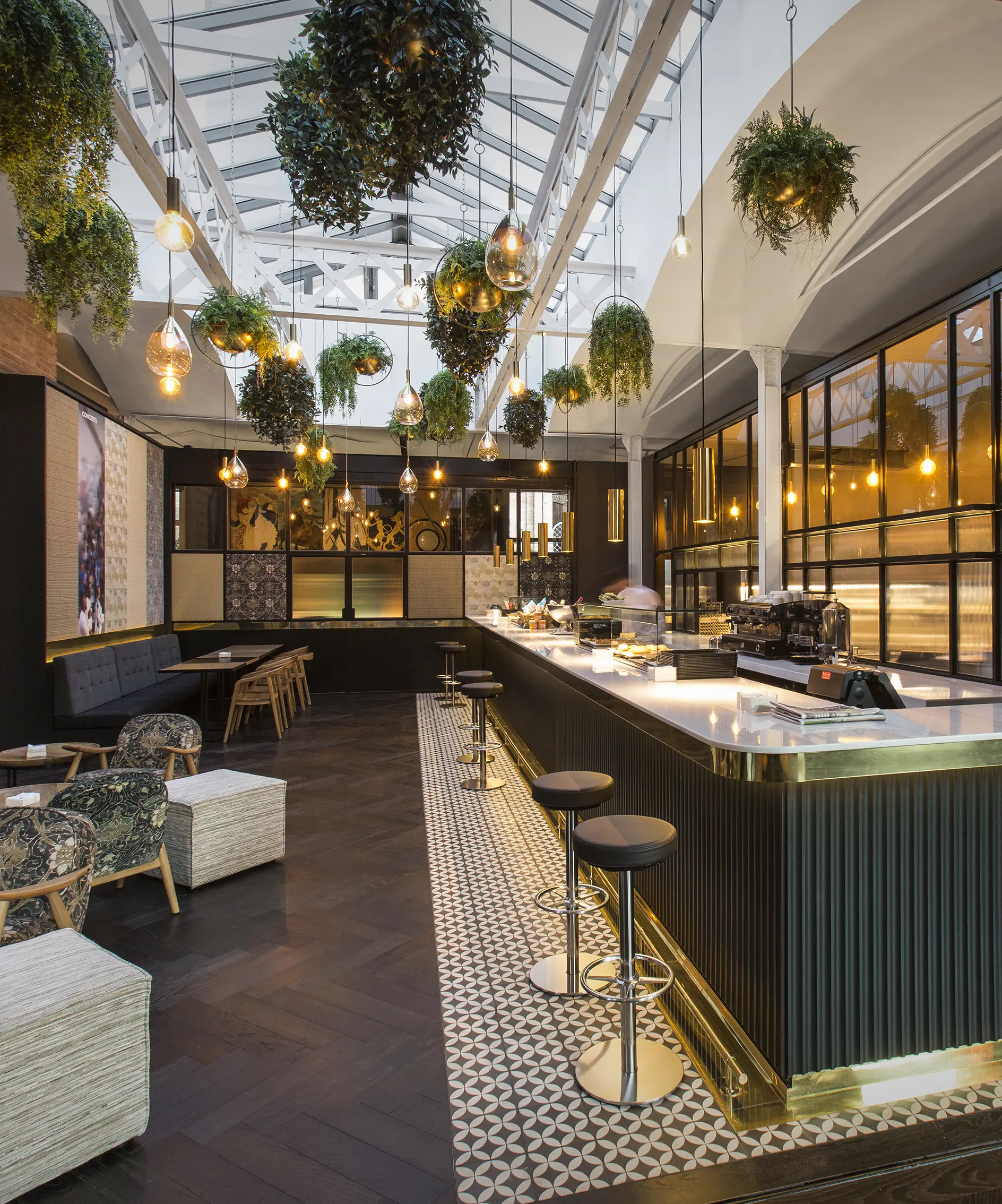
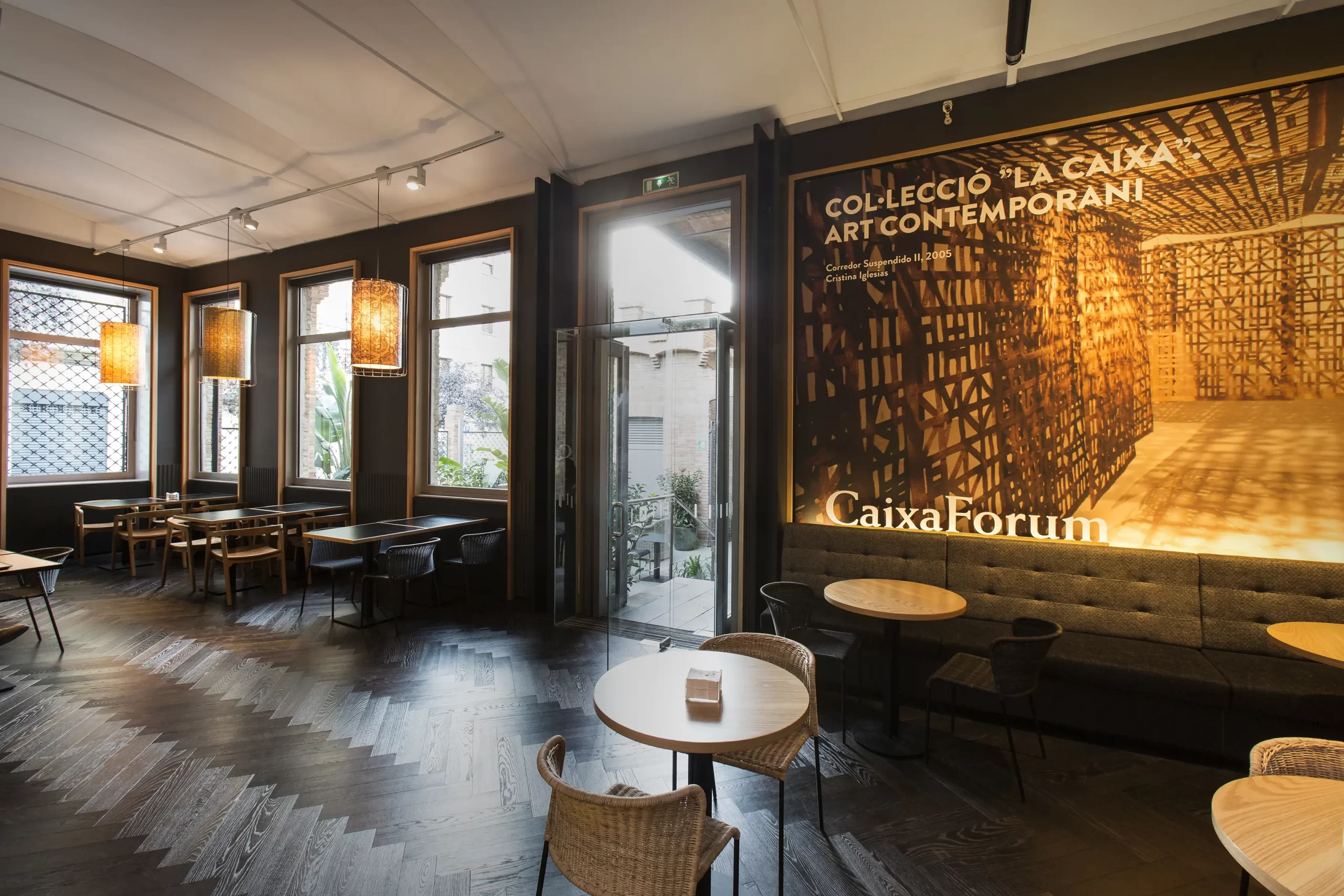
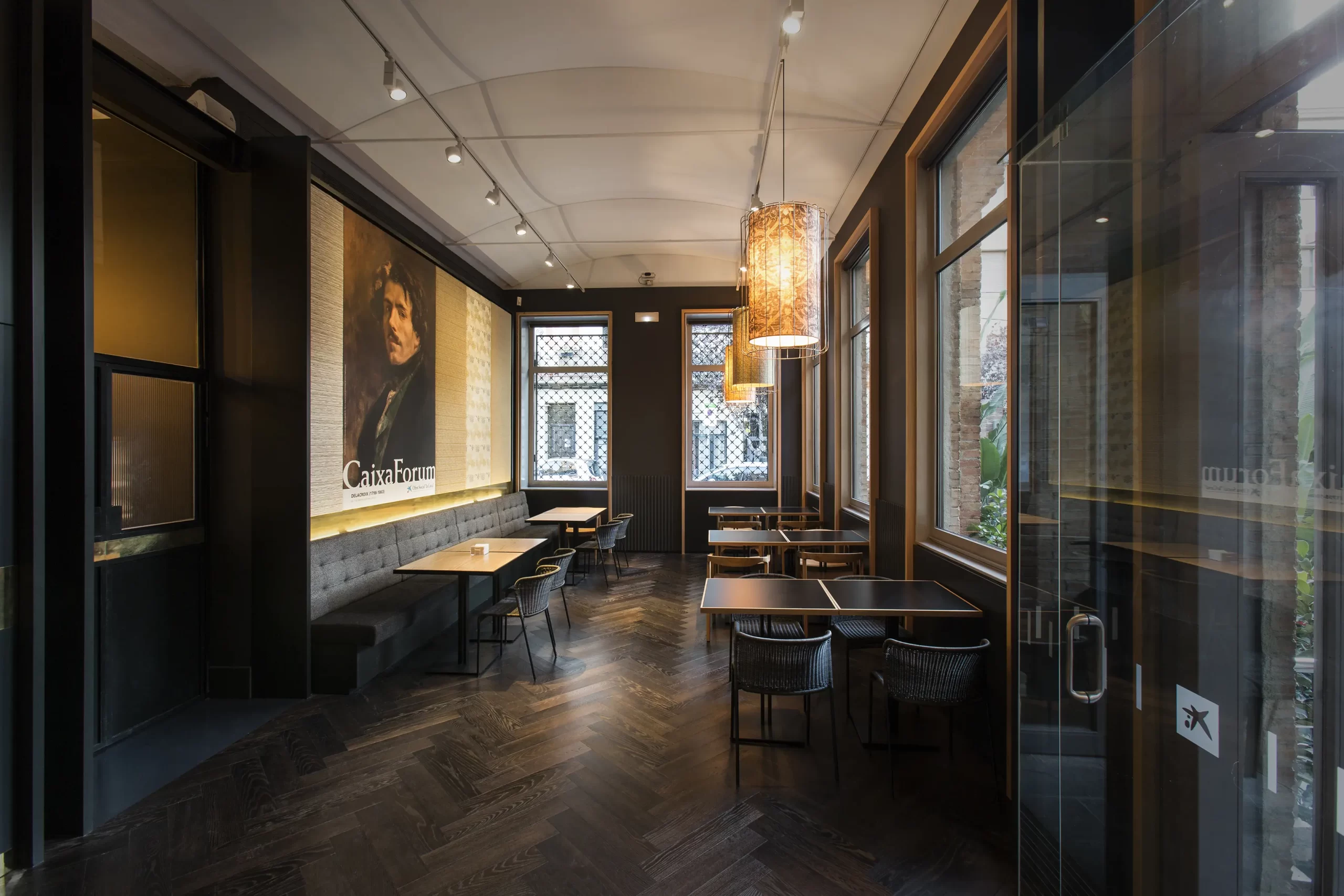
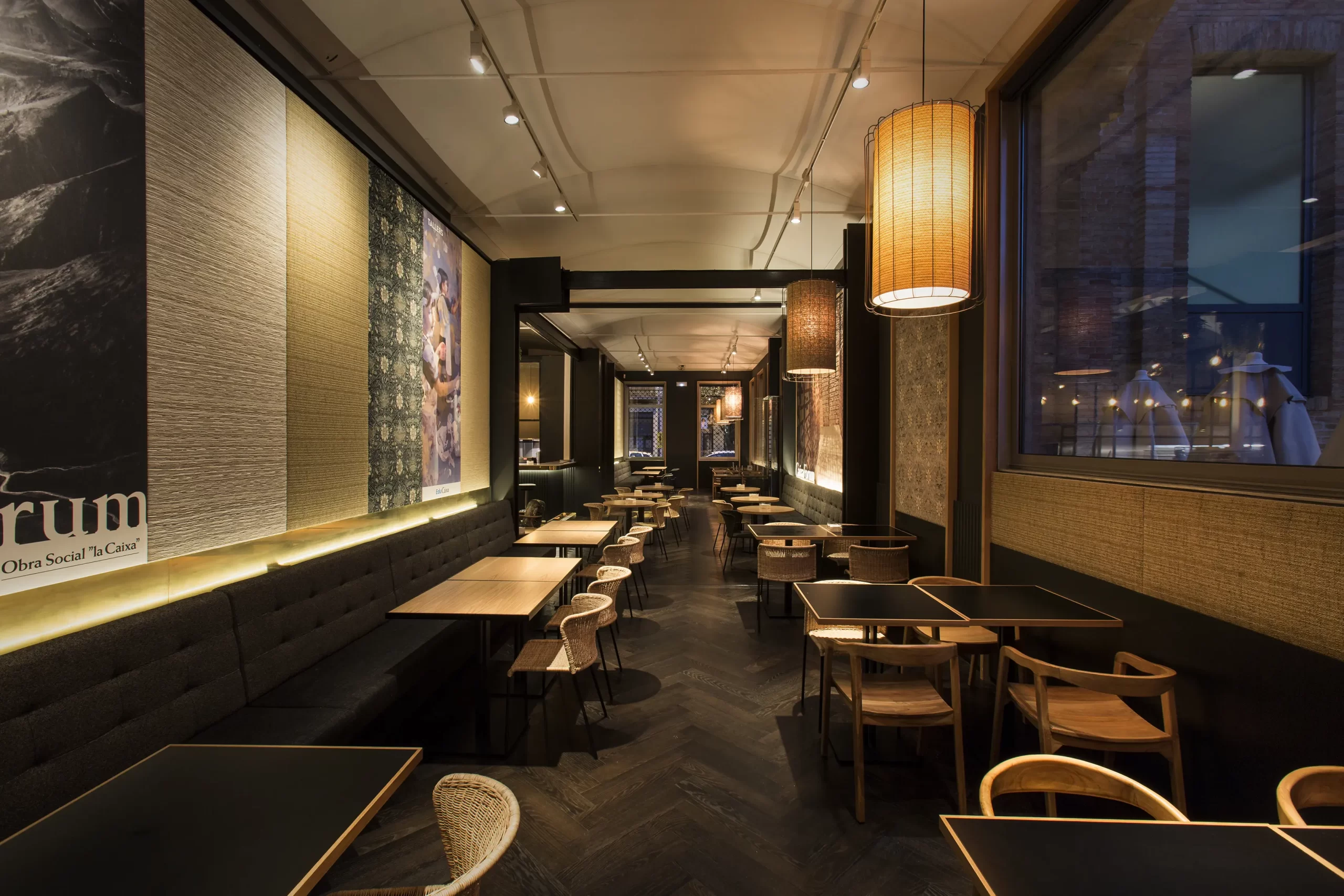
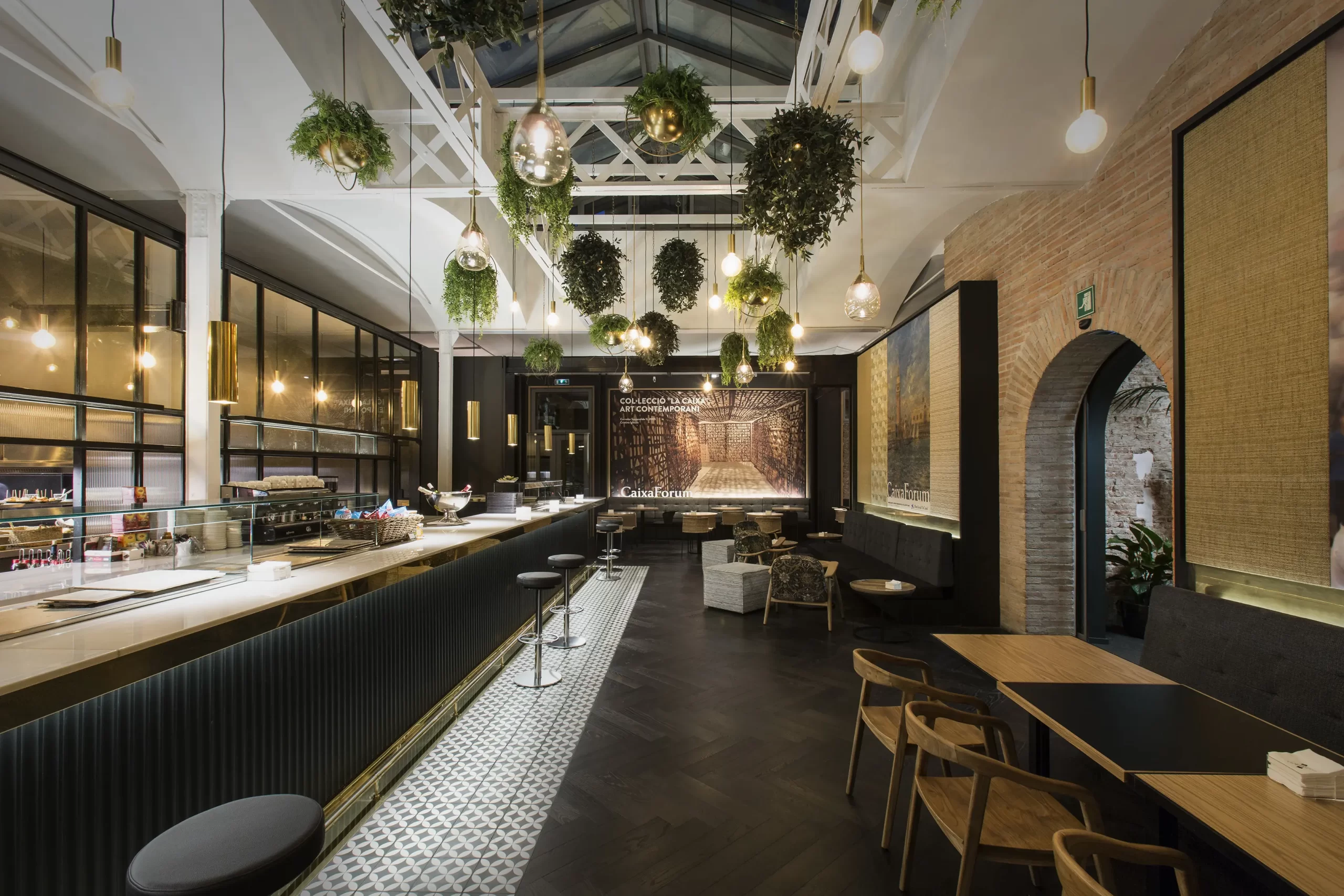
The project involved the comprehensive refurbishment of the kitchen, restaurant dining room and adjoining restrooms of the cultural centre. The intervention respected the heritage value of the building, preserving its vaults, columns, joinery and original finishes, while upgrading and improving building services. The spaces were modernised to enhance functionality and flexibility, restrooms and associated services were renewed, and building services were adapted to comply with current regulations.
- Year: 2017-2018
- Duration (months): 2
- Location: Mèxic 36, Barcelona
- Surface area (m2): 825
- Developer: Fundació "La Caixa"
- Architecture: Turull-Sorensen Arquitectos
- Photography: Jordi Leal
- Kitchen Equipment: Grup Rull, Serch Projects, Equip Turis
- Metalwork: CCF-S
- Interior Carpentry: CCF-M
We have brought to fruition
A refurbishment focused on improving the restaurant’s public and private spaces
- Expansion and reorganisation of the professional kitchen, maintaining compatibility with the centre’s service routes.
- A new, more flexible restaurant dining room with stronger identity, improving circulation and access.
- Complete renovation of restrooms and associated services, increasing capacity and incorporating accessibility requirements.
- Installation of a system of motorised sliding doors that transforms the dining room into a multi-purpose, easily partitioned space.
We have made possible
A more modern and functional kitchen and restaurant dining room
- Comprehensive modernisation of the restaurant and kitchen, increasing usable area and improving operational flows.
- Reorganisation of the kitchen with a perimeter circuit, two central islands and a washing module optimising production.
- Creation of an open kitchen connected to the dining room, improving flow between kitchen, bar and dining area.
- Spatial layout allowing greater penetration of natural light into the dining room and service areas.
- New acoustic panels combined with restored historical signage, enhancing comfort and reinforcing the cultural narrative.
We’ve worked with dedication
Towards a more sustainable and efficient project
- New low-consumption lighting system in accordance with CTE HE3 and the DALI system.
- Improved energy efficiency through a complete reorganisation of systems and circuits.
- Upgrading of kitchen equipment with higher-performance, lower-consumption appliances.
- Construction waste management following minimisation criteria and partial recovery of elements.