AN EXAMPLE OF UNDERGROUND ARCHITECTURE FOR CULTURAL PURPOSES
Espai Cràter
- New build
- Cultural and religious
- Sustainability


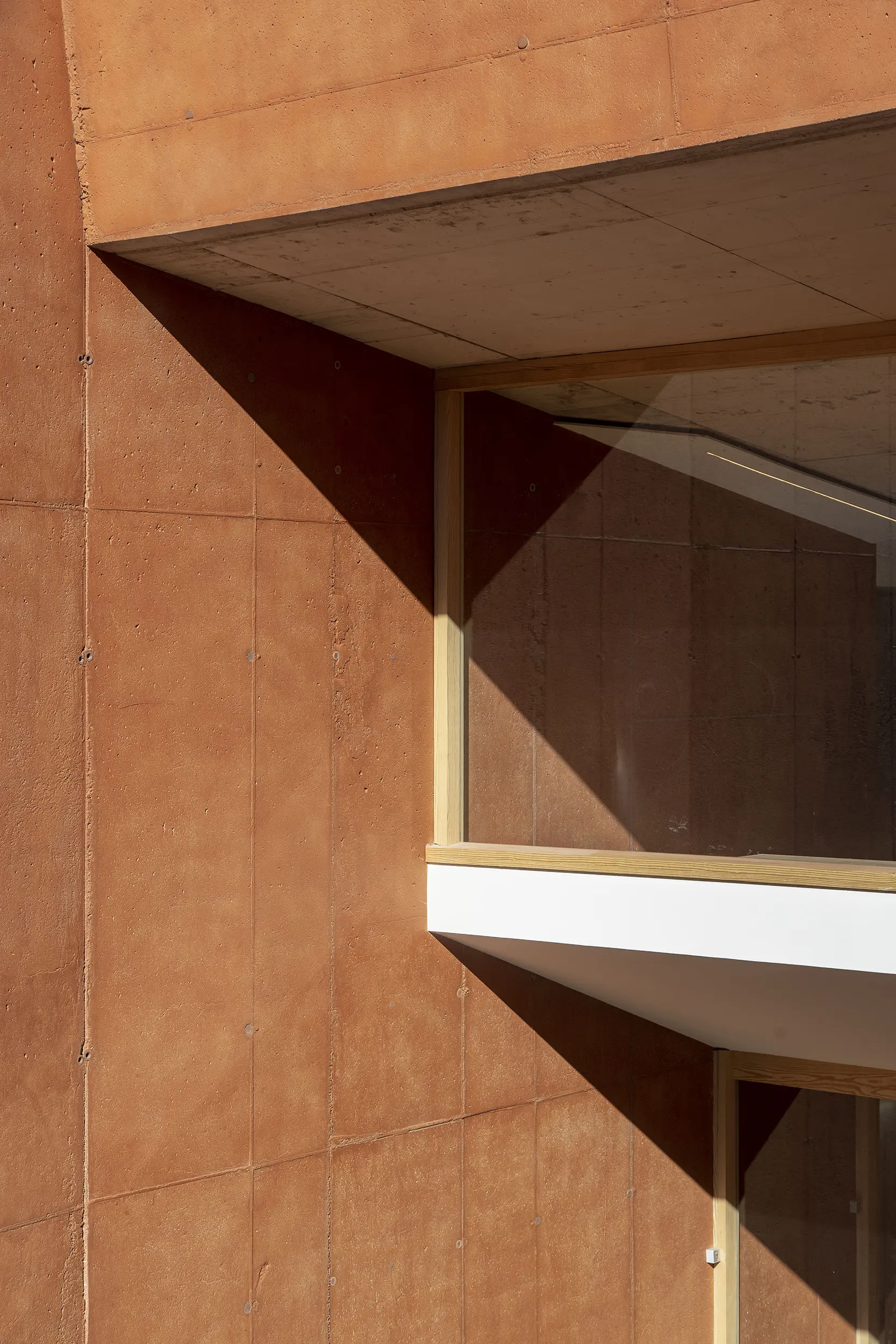
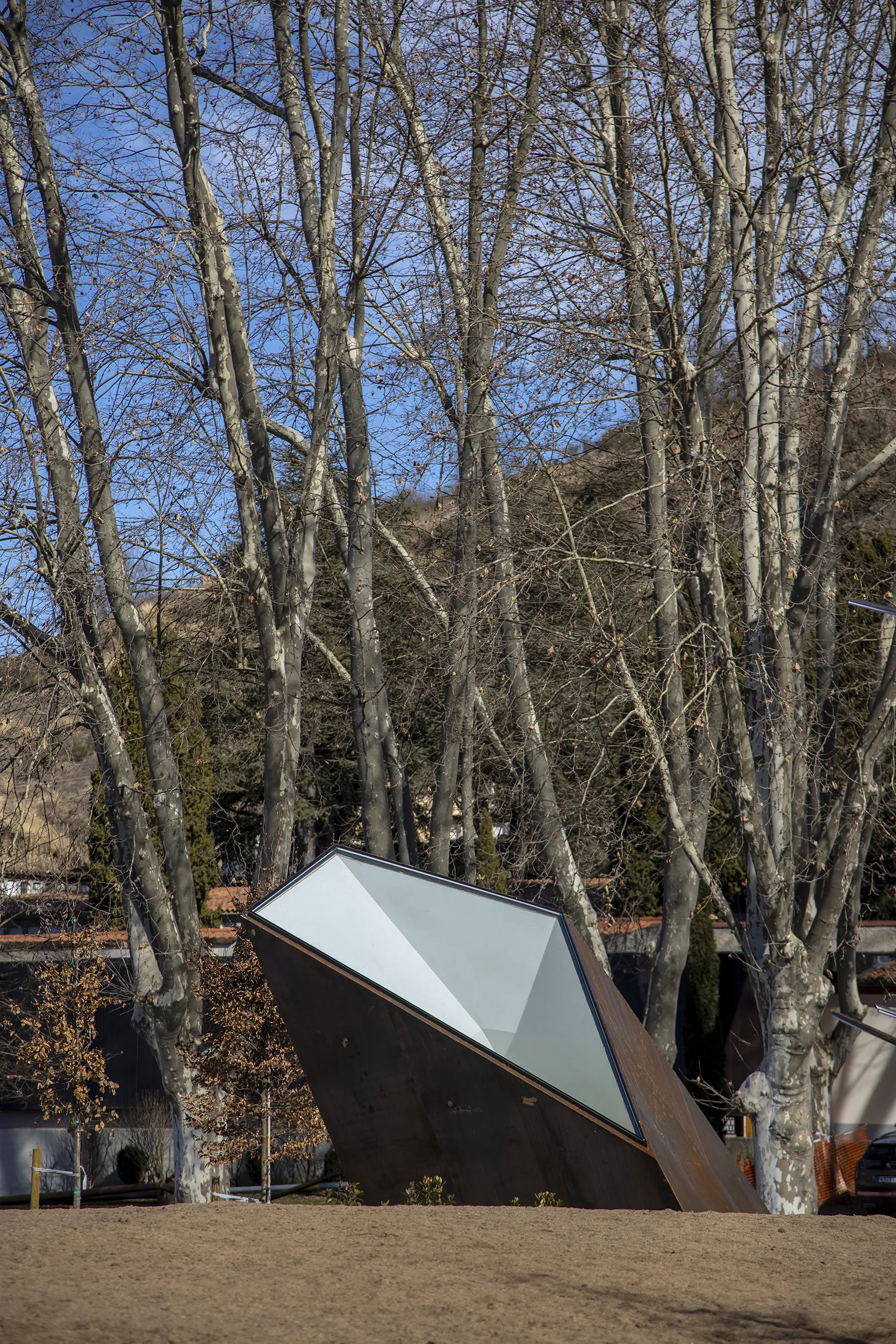
Espai Cràter is a new cultural and scientific facility located in Olot, in the La Garrotxa region, dedicated to the dissemination of volcanology and the natural heritage of the area.
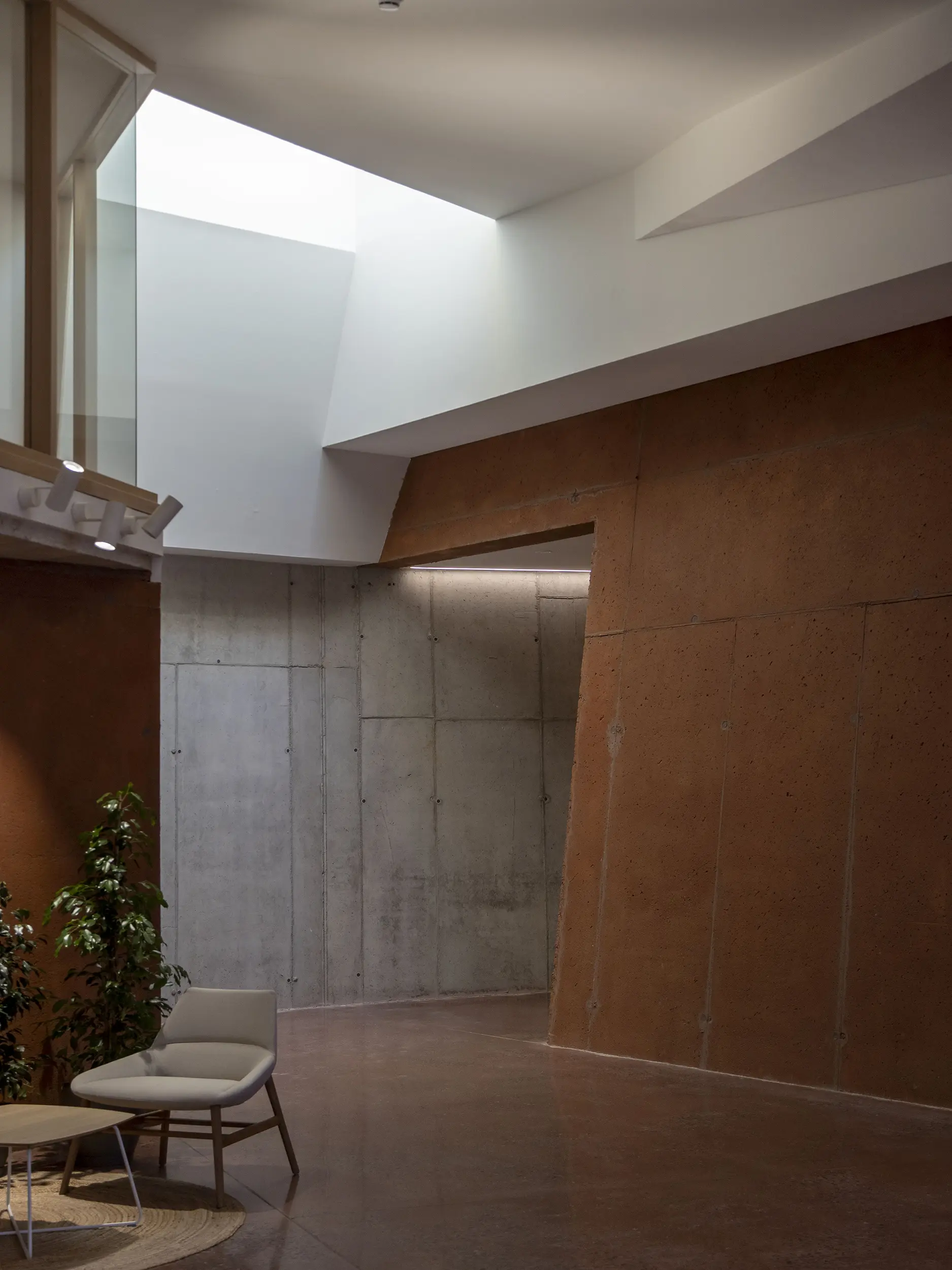
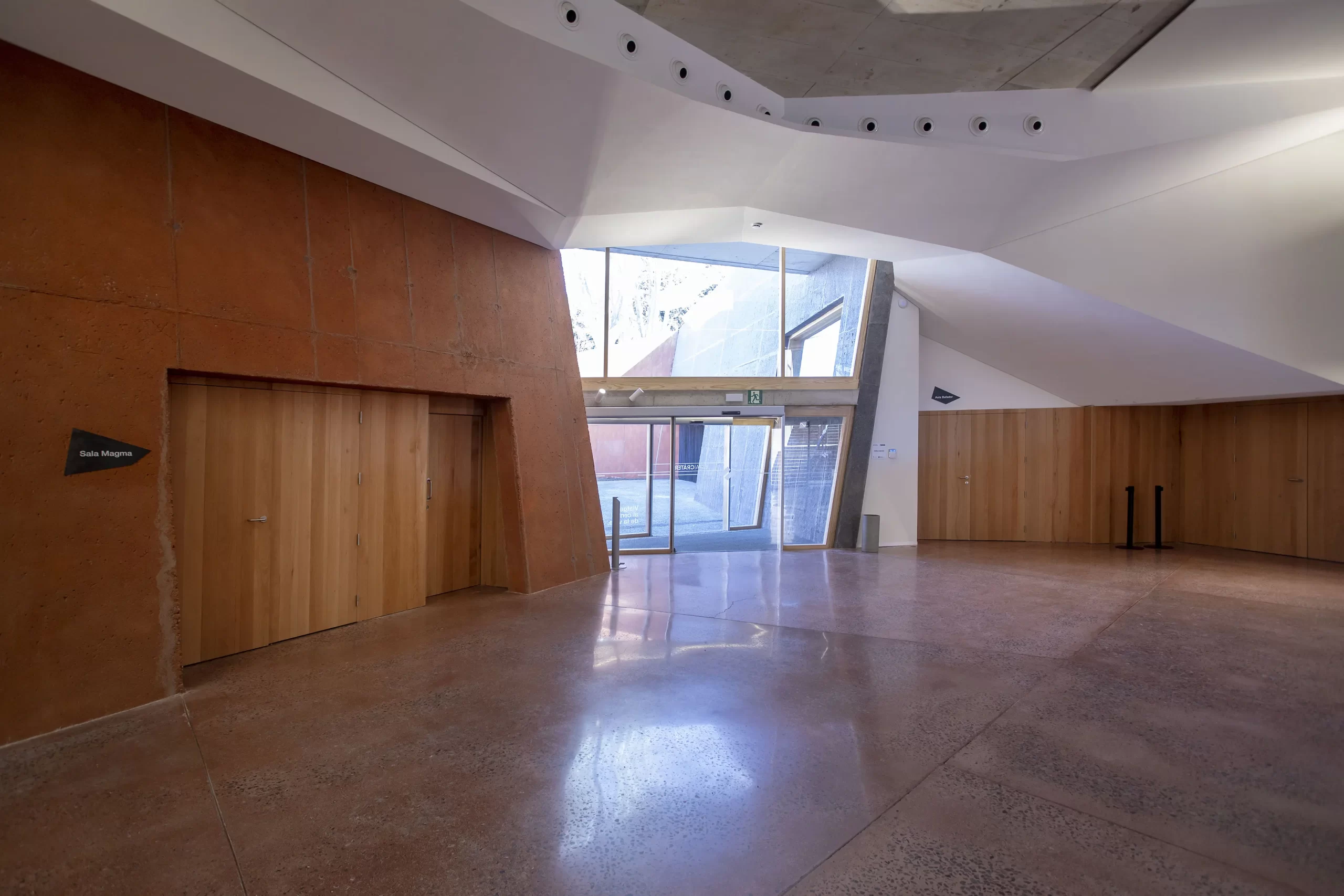
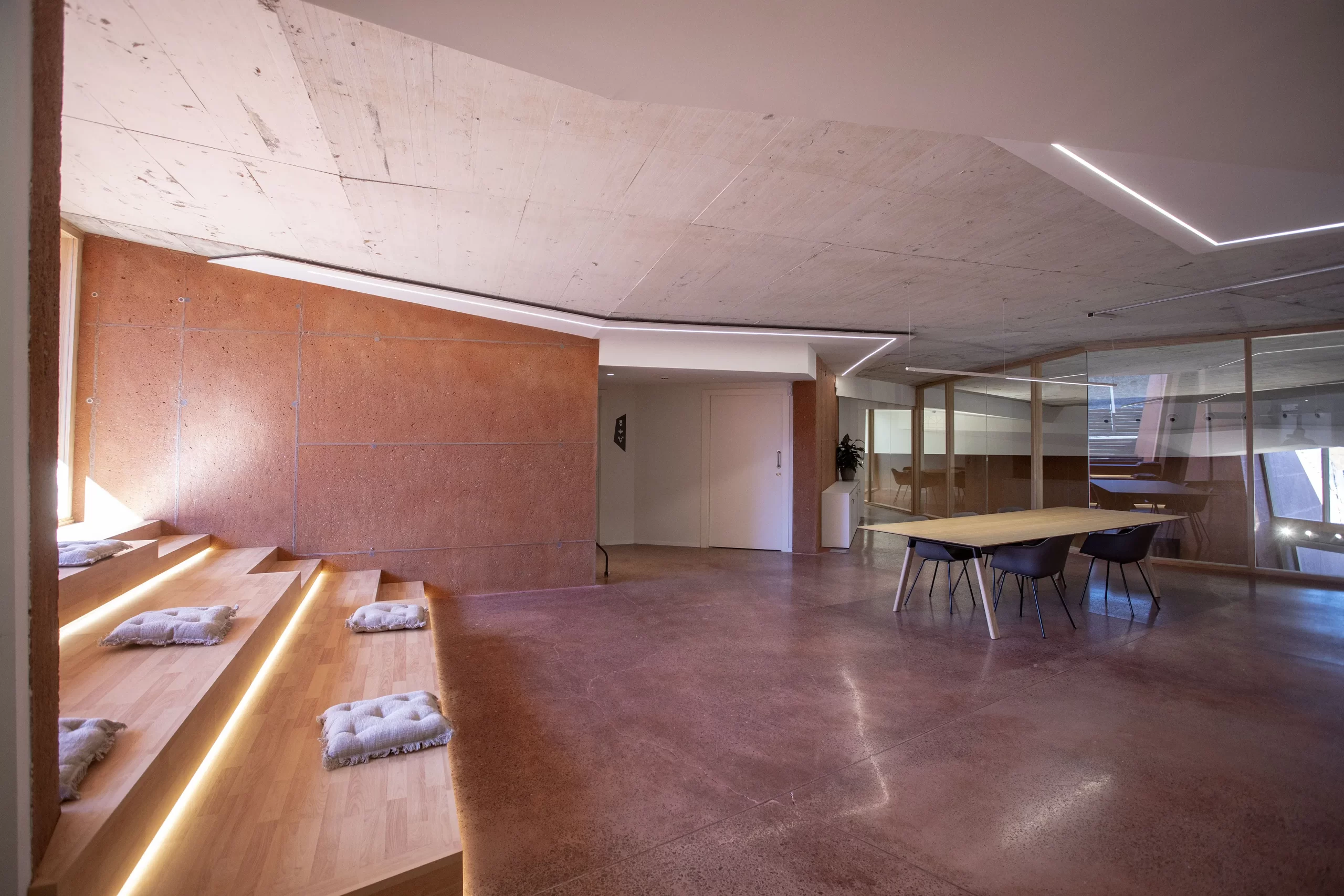
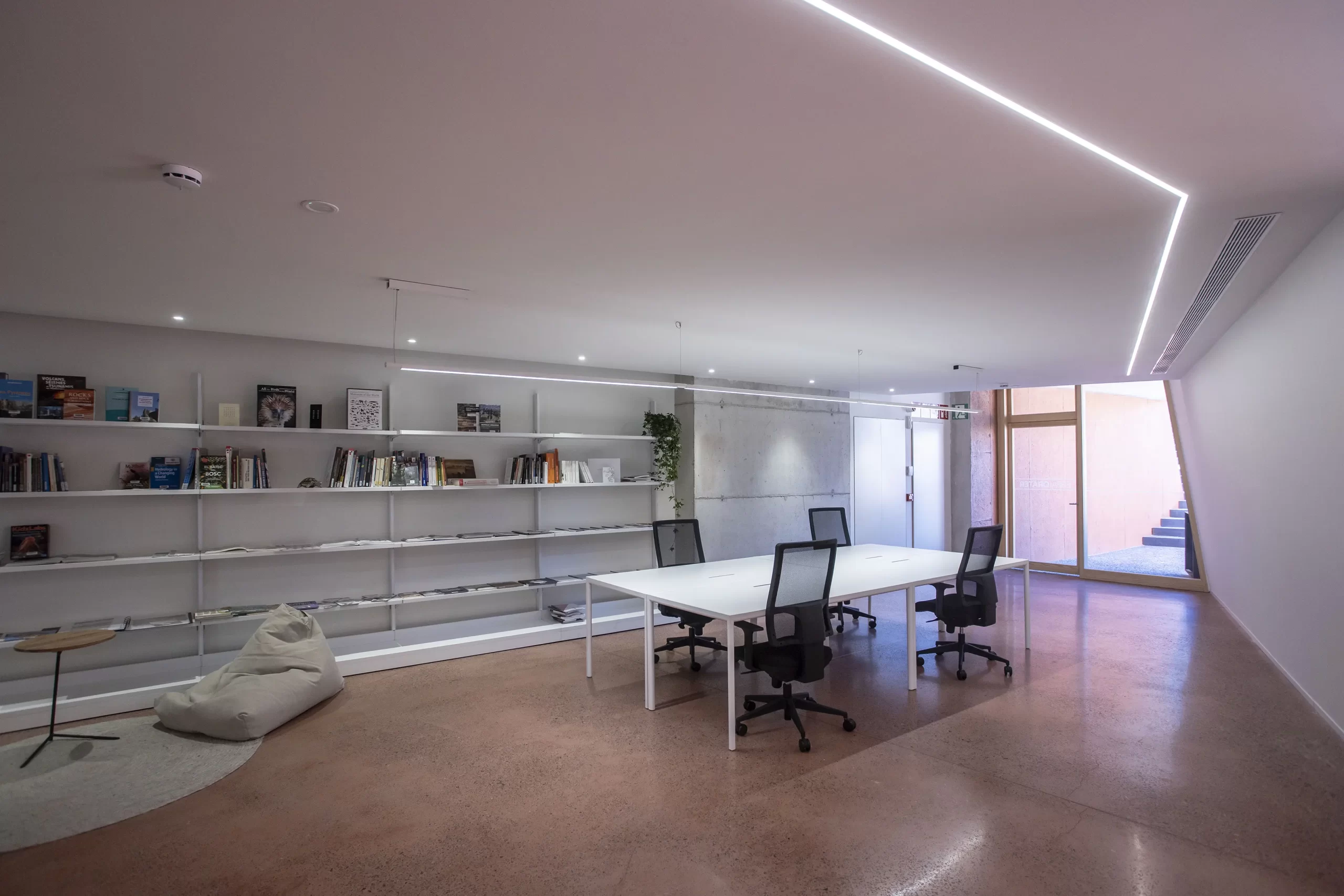
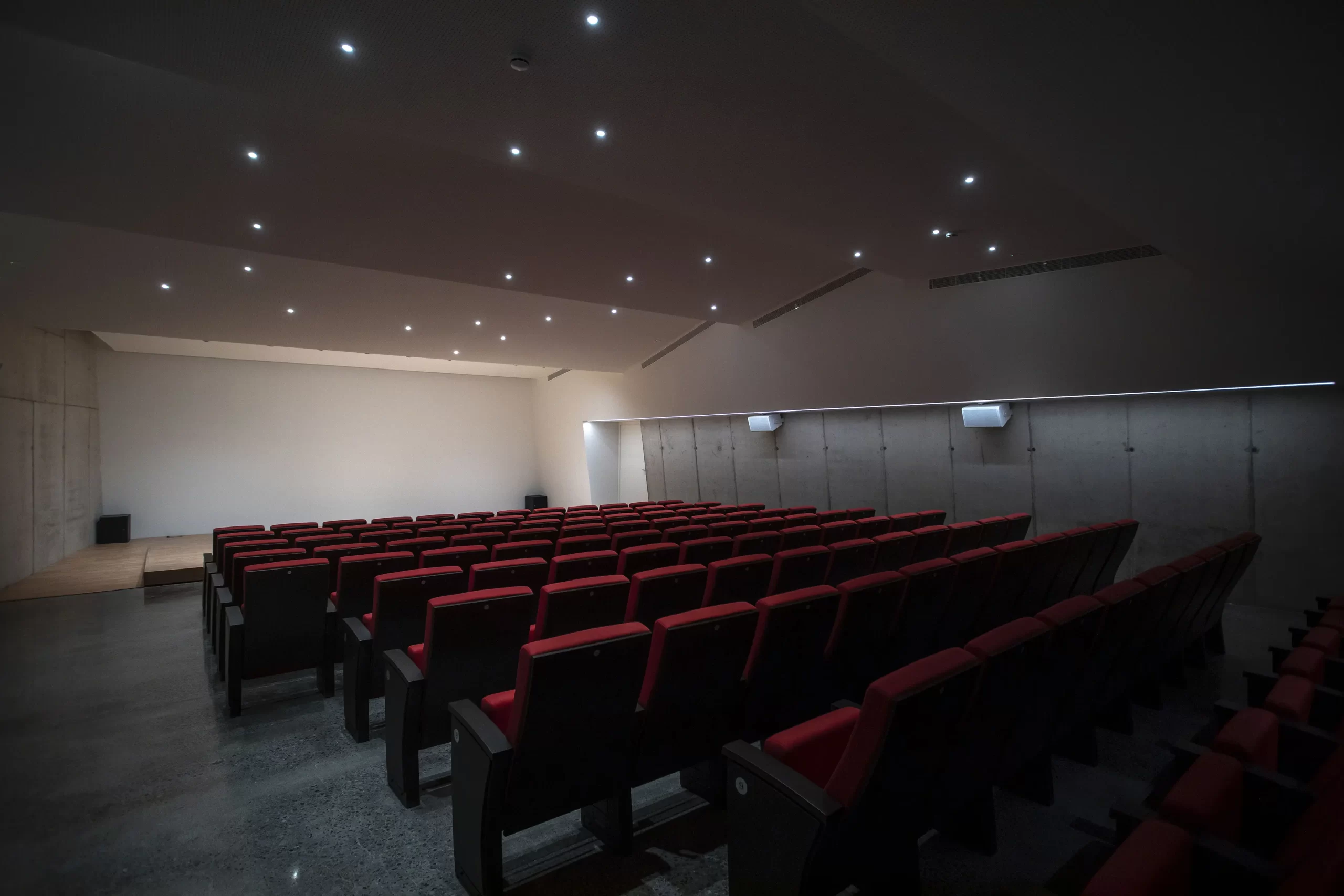
The execution of Espai Cràter successfully addressed the challenge of a predominantly underground architecture scheme, fully integrated into a unique natural setting. The works were carried out following strict sustainability criteria, optimising the building’s energy performance and using durable materials consistent with the volcanic context. At the same time, special emphasis was placed on accessibility, ensuring clear, safe and inclusive circulation routes.
- Year: 2019
- Location: Macarnau 55, Olot
- Surface area (m2): 1.725
- Developer: Ajuntament d'Olot
- Architecture: Baena Casamor Arquitectes BCQ, Anna Codina i Associats
We have brought to fruition
Accessibility and inclusivity of the facilities
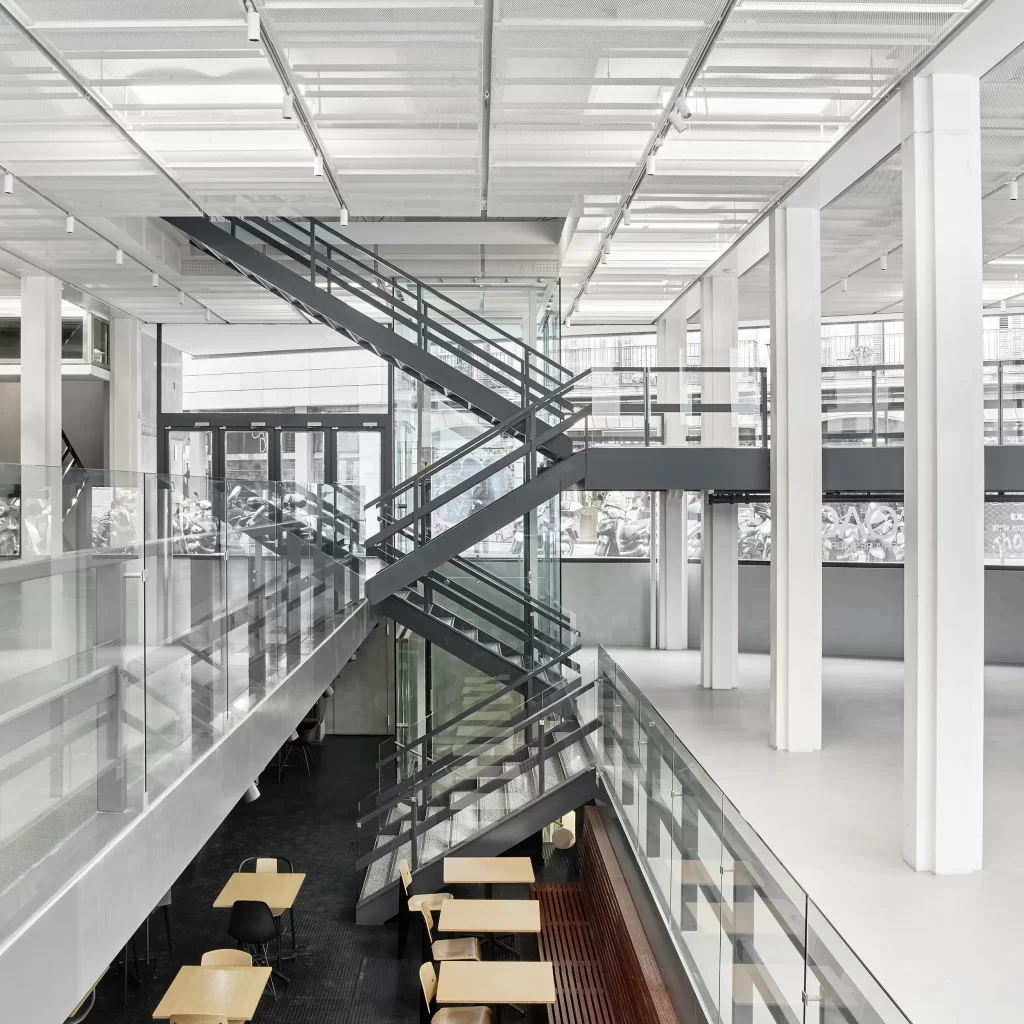
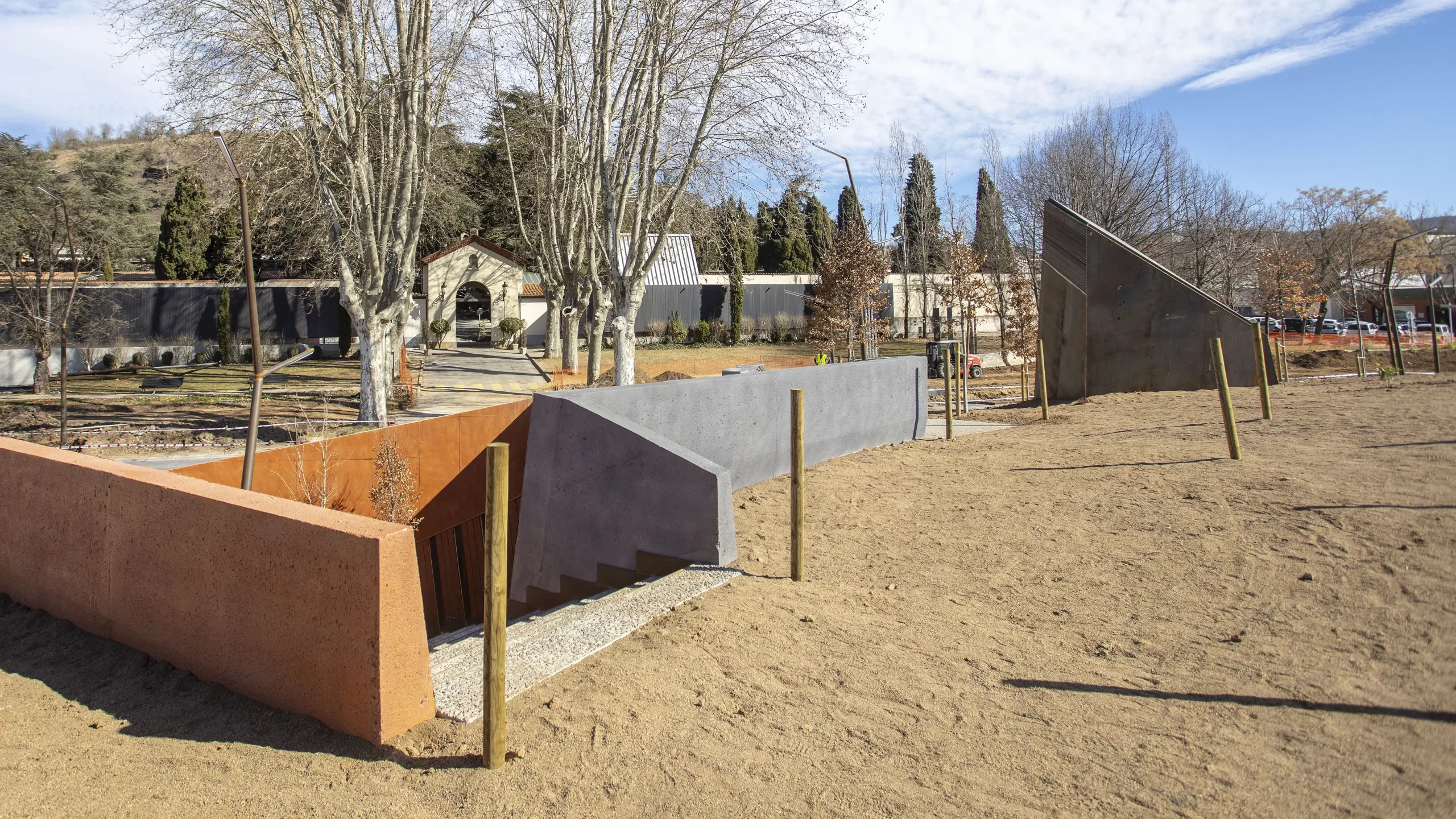
- Access points and circulation routes were designed to provide universal accessibility throughout the facility, on a site with significant level differences. This was achieved through the construction of differentiated access systems – ramps, stairs and an external lift – connecting the various levels of the building.
We have made possible
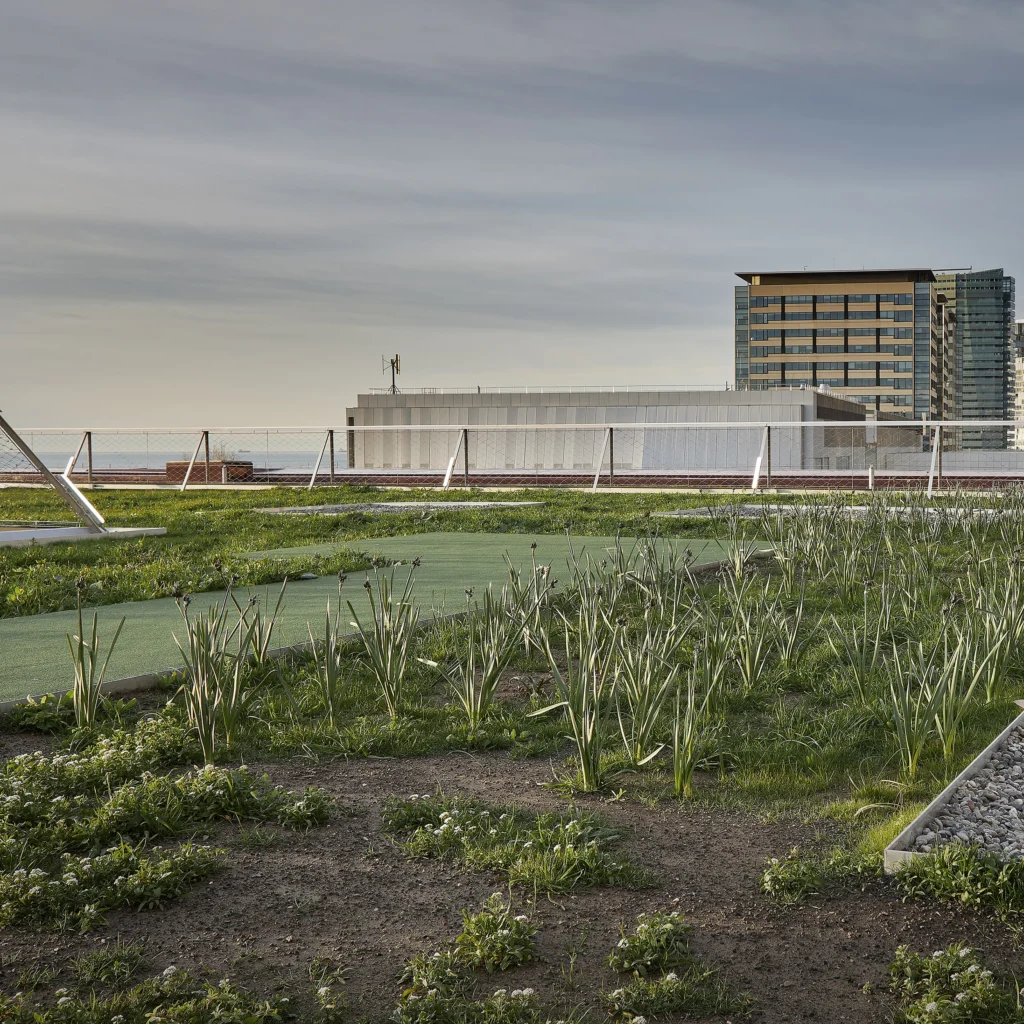
A predominantly underground architecture integrated into the urban park
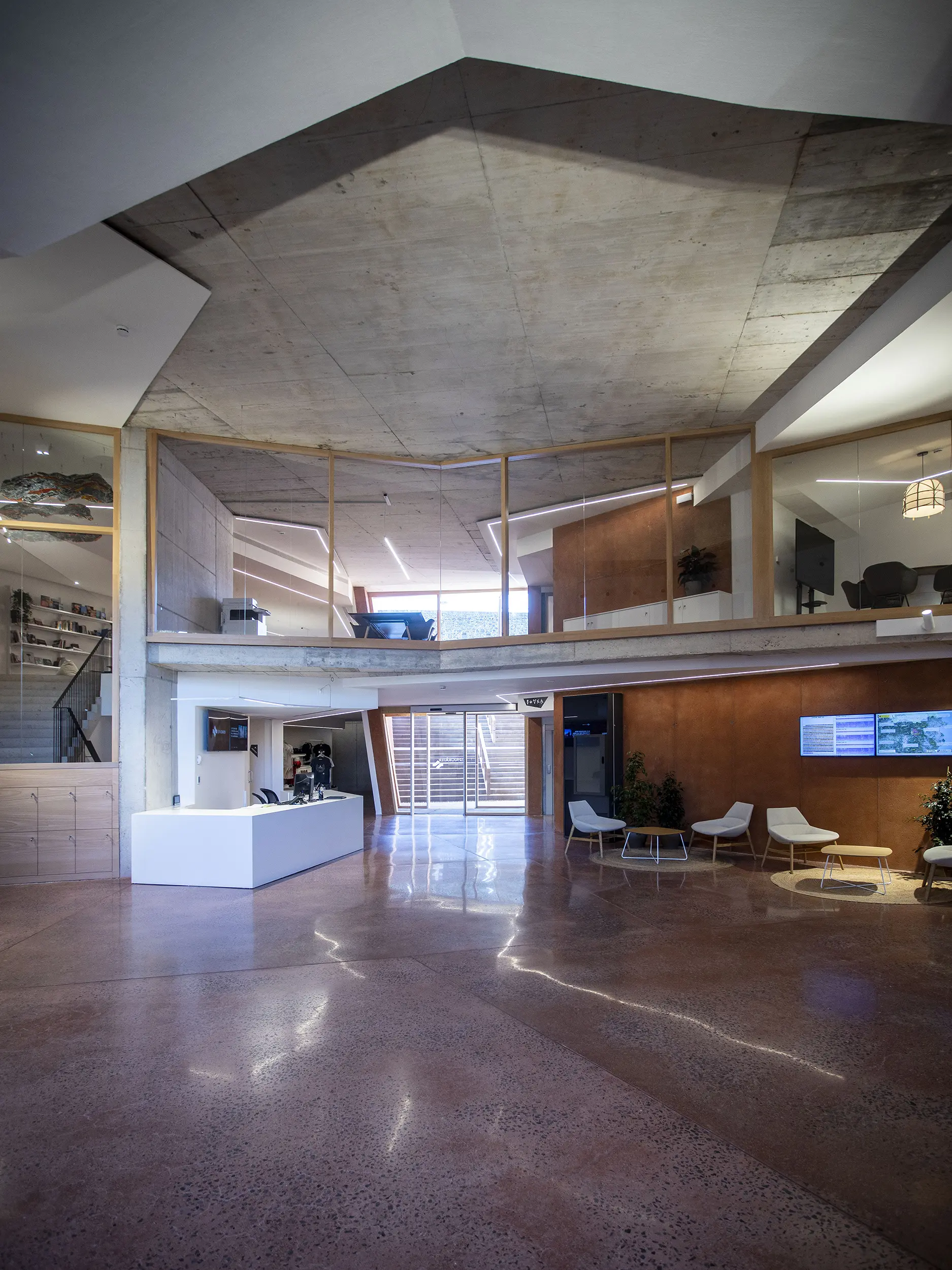
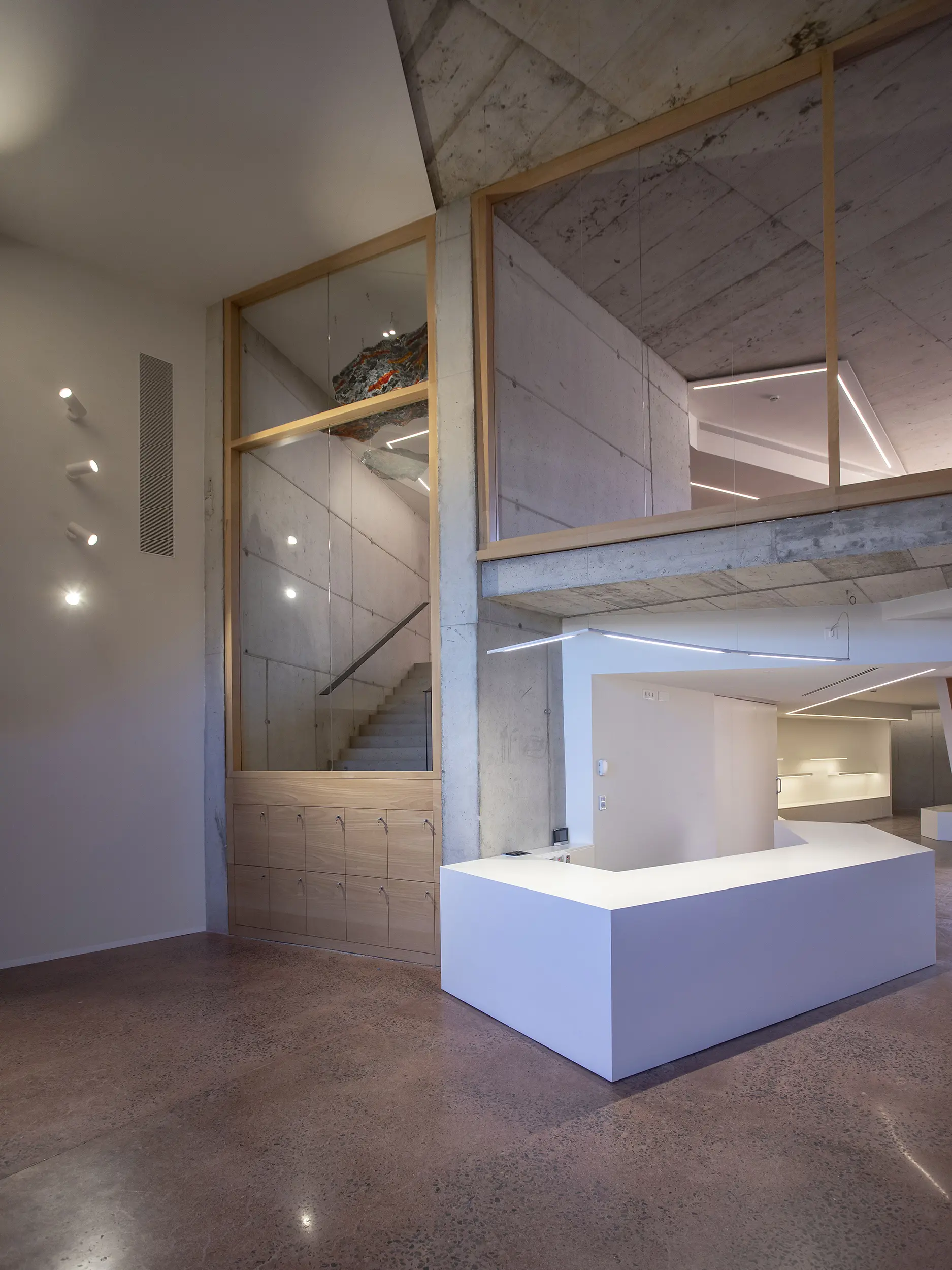
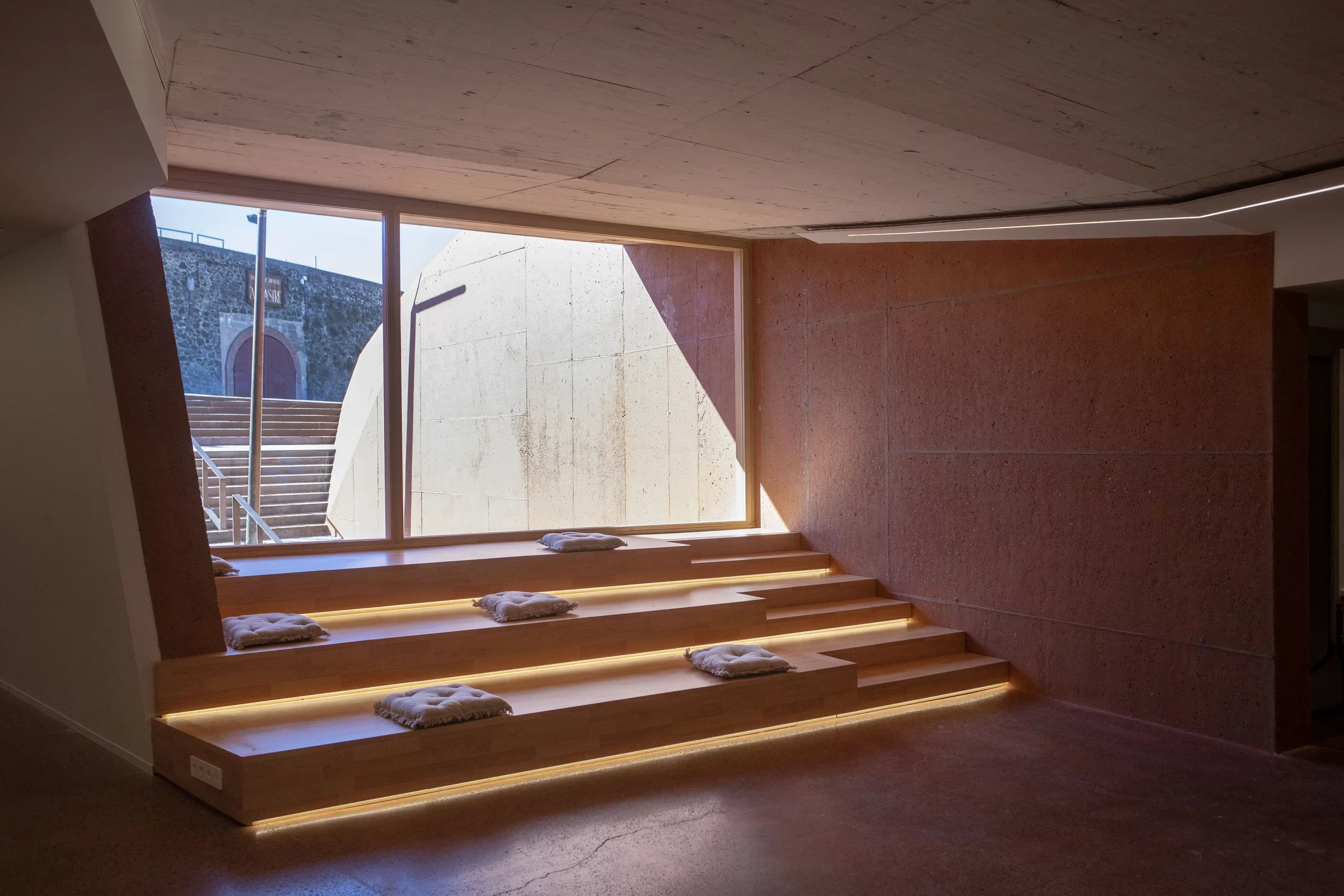
- The building was constructed underground, reducing its visual impact and preserving the perception of open space within the urban park, while integrating the facility into a sensitive environment located between the bullring, the municipal cemetery and the access to Montsacopa volcano. The interior spaces were resolved using structures adapted to an underground architecture designed for long-term durability.
We’ve worked with dedication
Applying sustainability measures to the project
- The building was constructed using durable materials consistent with the volcanic environment, such as basalt stone, applied to the exterior urban furniture (basalt stone benches).
70 %
Underground footprint
10 %
Above-ground footprint
1.725
m2 surface area of the intervention site