SOCIAL HOUSING IN PALMA
Mallorca 30+8
- New build
- Residential
- Sustainability
- Social Housing


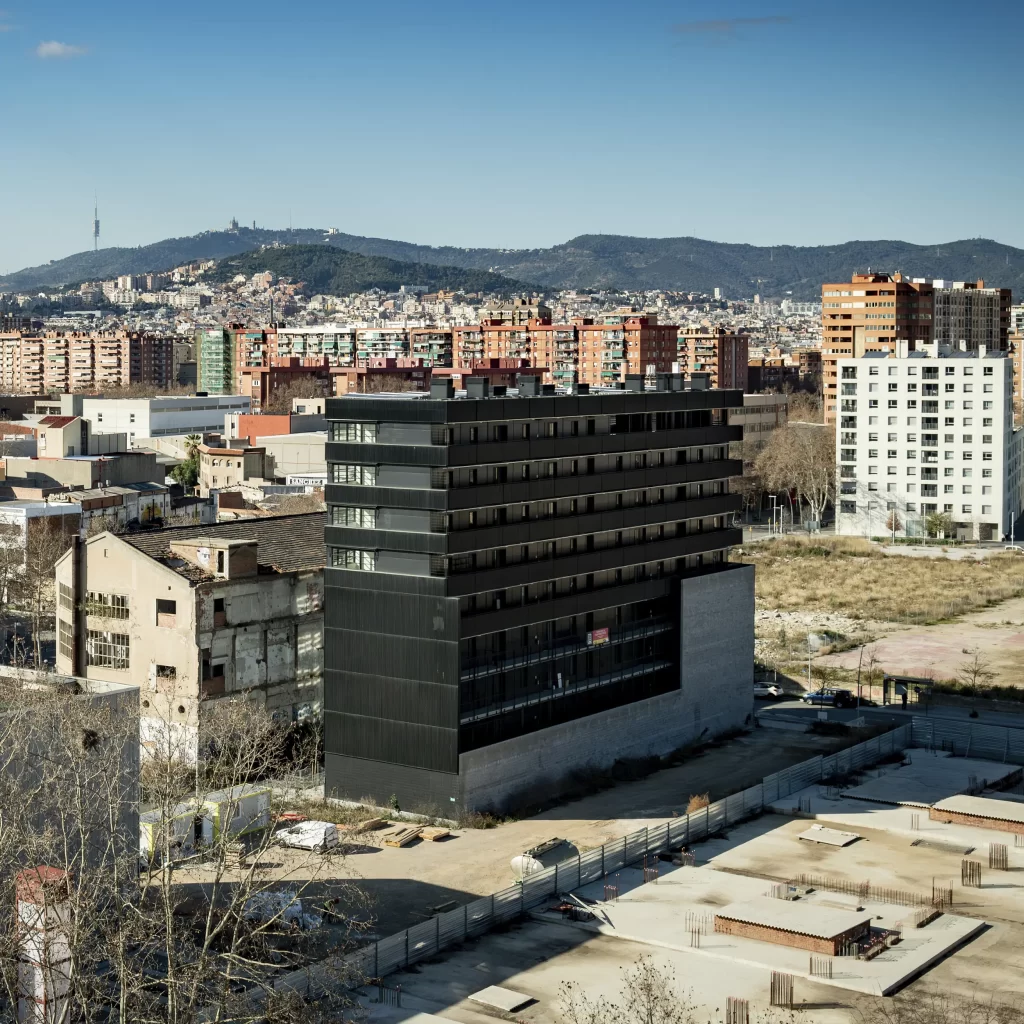
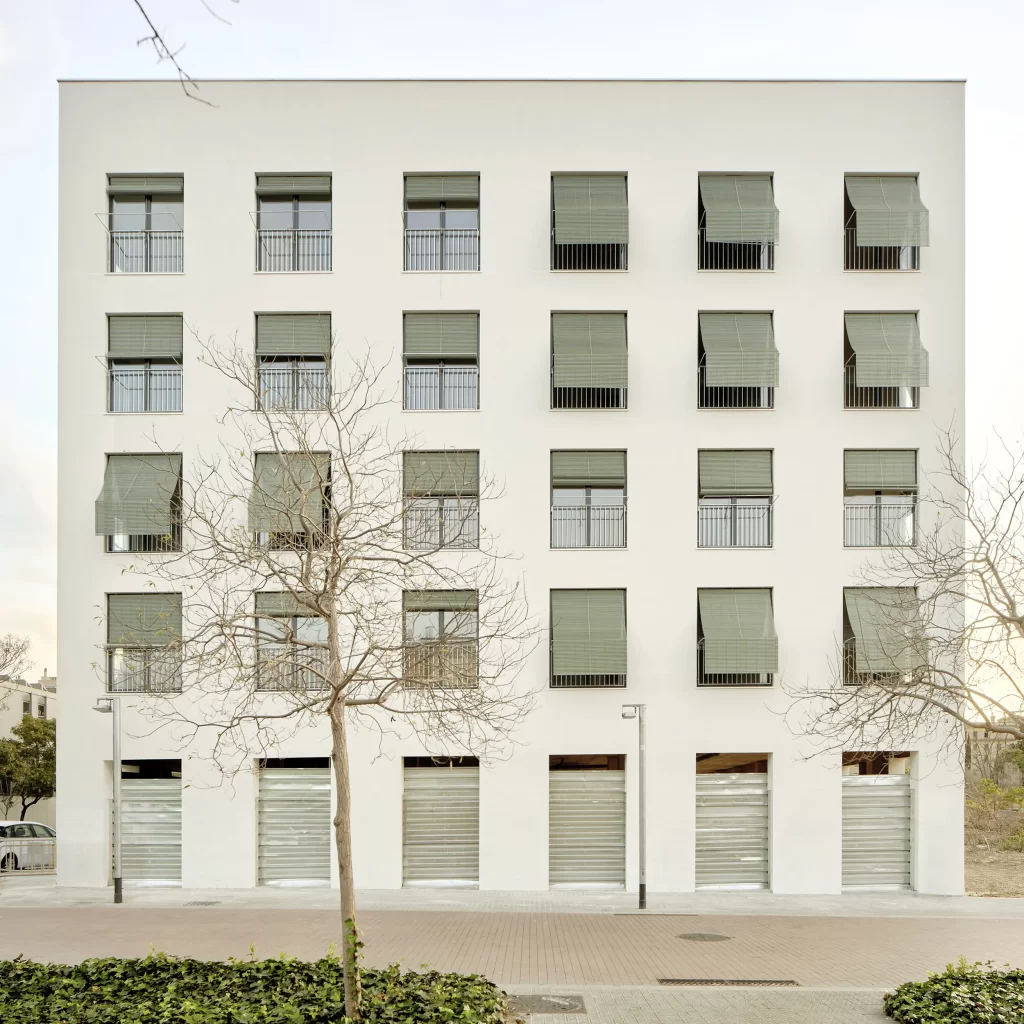
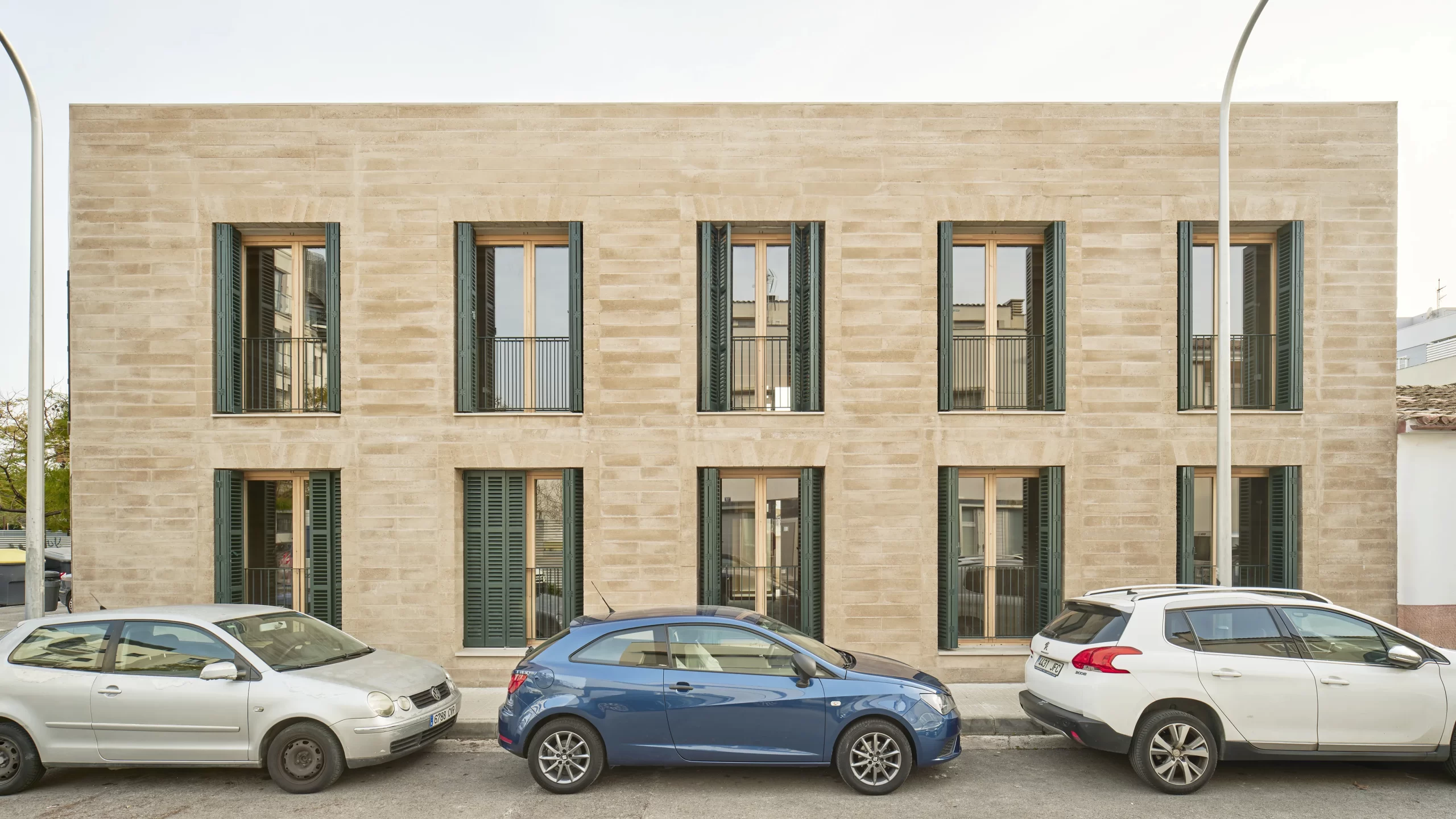
Building intended for social housing, promoted by the Balearic Housing Institute (IBAVI) in the centre of Palma de Mallorca. The development consists of a main 4-storey building with a total of 30 dwellings, and a second building with ground floor and first floor accommodating 8 dwellings.
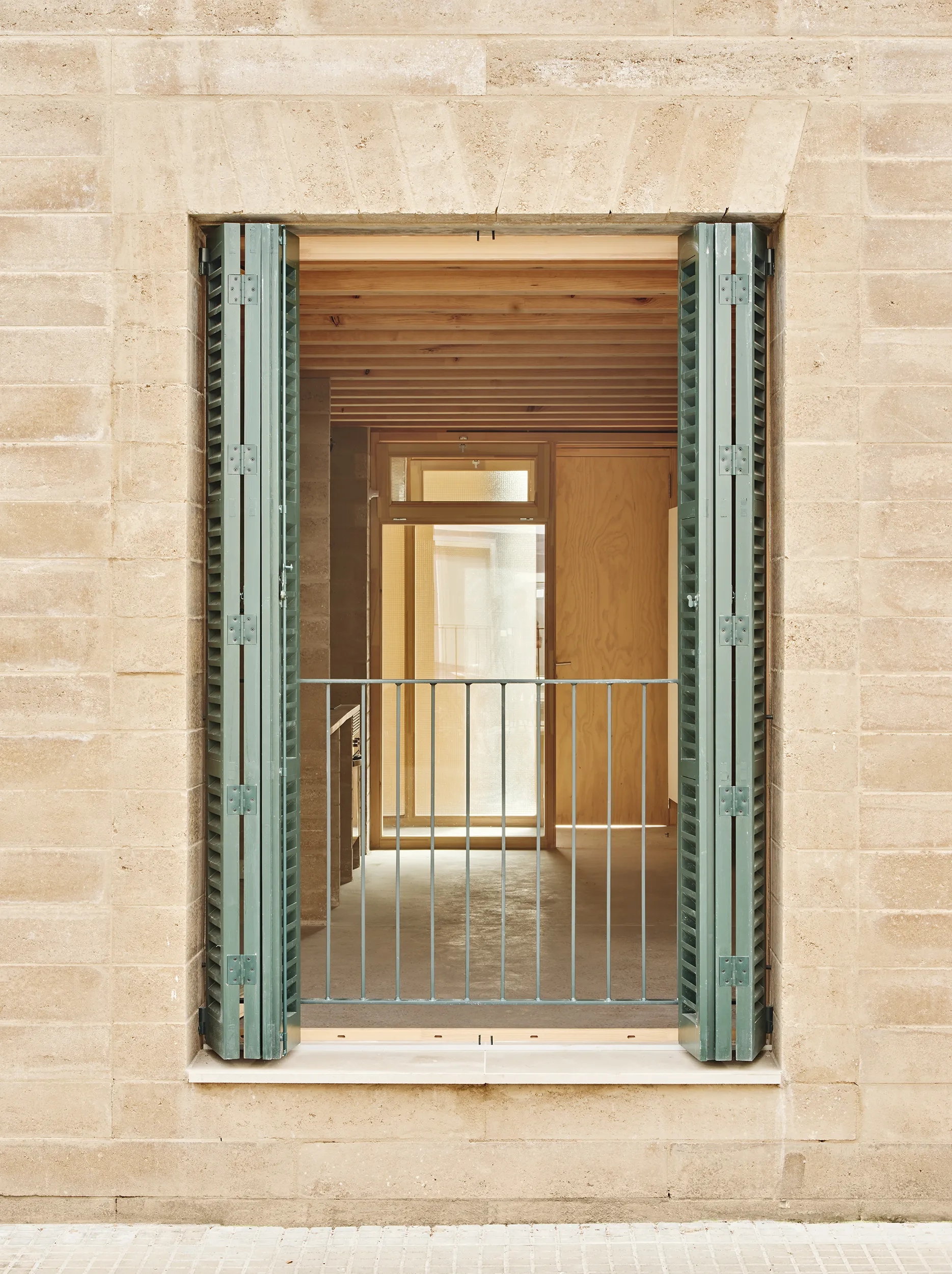
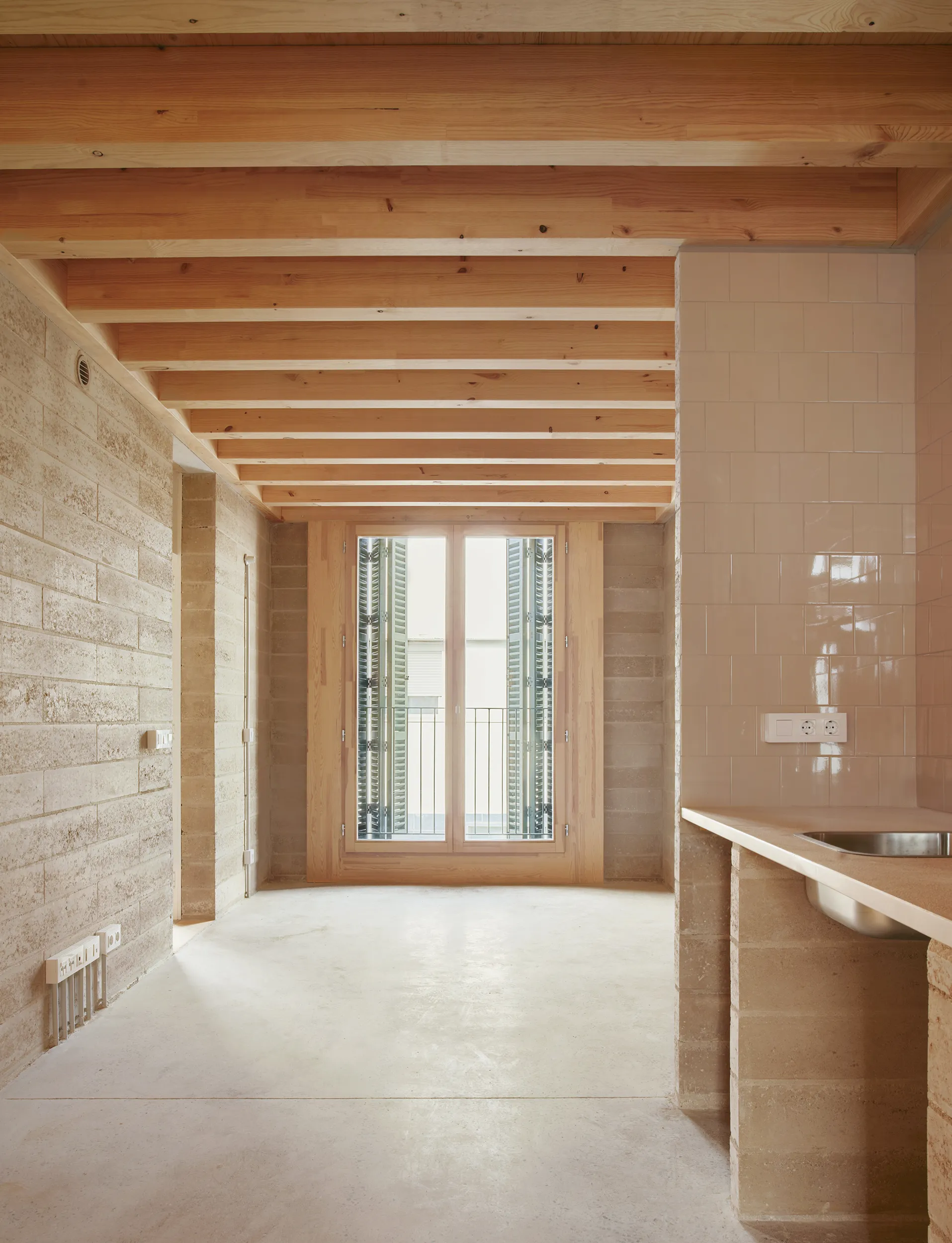
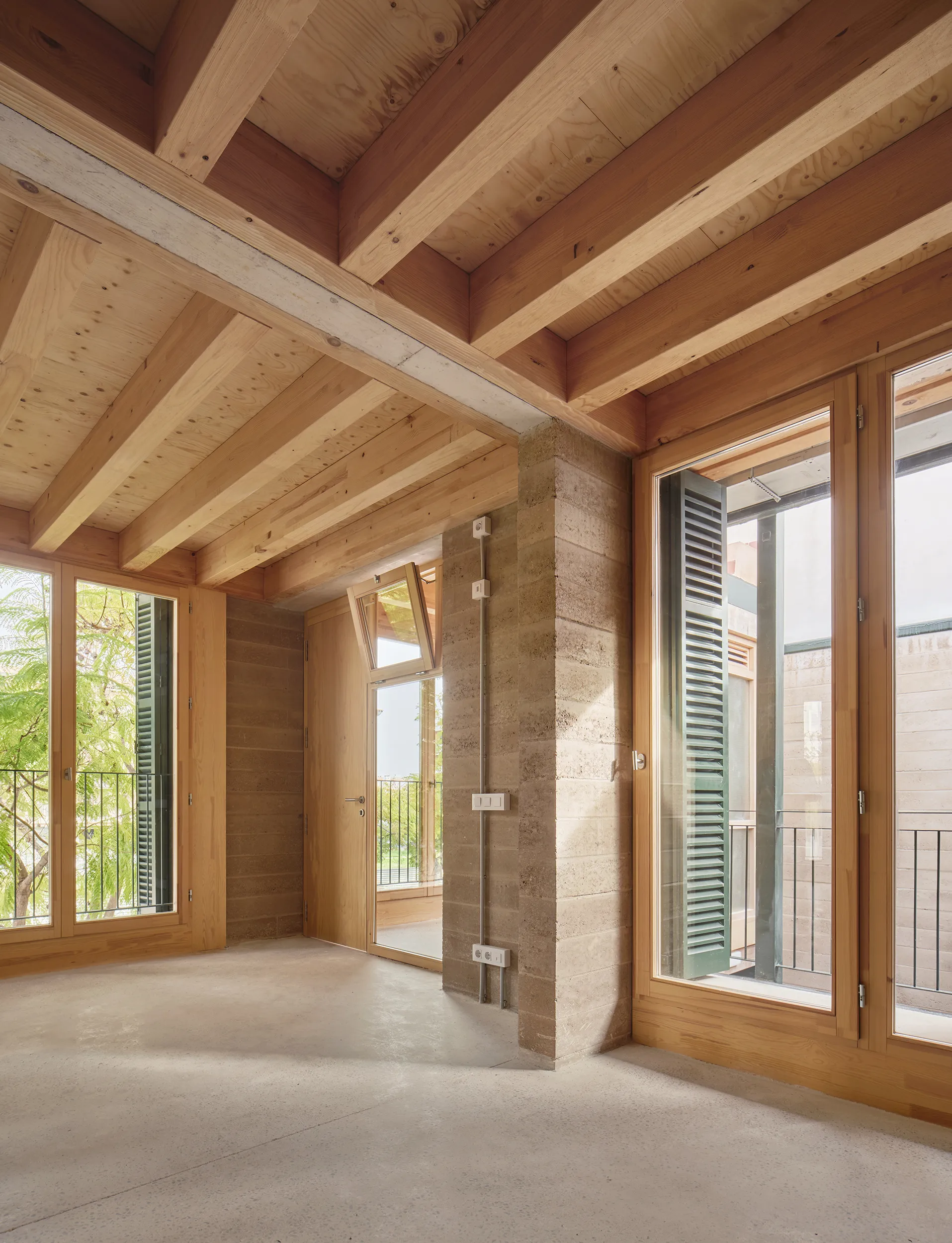
The development of 38 social housing dwellings is located on a corner plot with multiple alignments. Construction was carried out using sustainable building solutions, such as compressed earth blocks (CEB), together with more conventional systems. Our main challenge was to ensure technical consistency throughout the construction process and to achieve architectural integration within the existing urban fabric.
- Year: 2020-2025
- Location: Josep Togores 6, Palma de Mallorca
- Surface area (m2): 2.840
- Developer: IBAVI
- Architecture: Vivas Arquitectos
- Photography: José Hevia
- Executive Management: Marco Menéndez and Missió 21 Arquitectes
- Structures: Manuel Arguijo y Asociados SL
- Building Services: Estudis d’Enginyeria de Les Illes SL
- Sustainability: DEKRA
- Quantity Surveyor: Marco Menéndez and Missió 21 Arquitectes
We have brought to fruition
A technically demanding project in a complex urban environment
- We successfully delivered a social housing development on a corner plot within a dense urban fabric, resolving multiple alignments, differentiated stair cores and unique housing typologies. The construction was adapted to the technical and environmental requirements of the Balearic Housing Institute, ensuring quality and consistency with the architectural project.
We have made possible
Sustainable architecture rooted in the local context
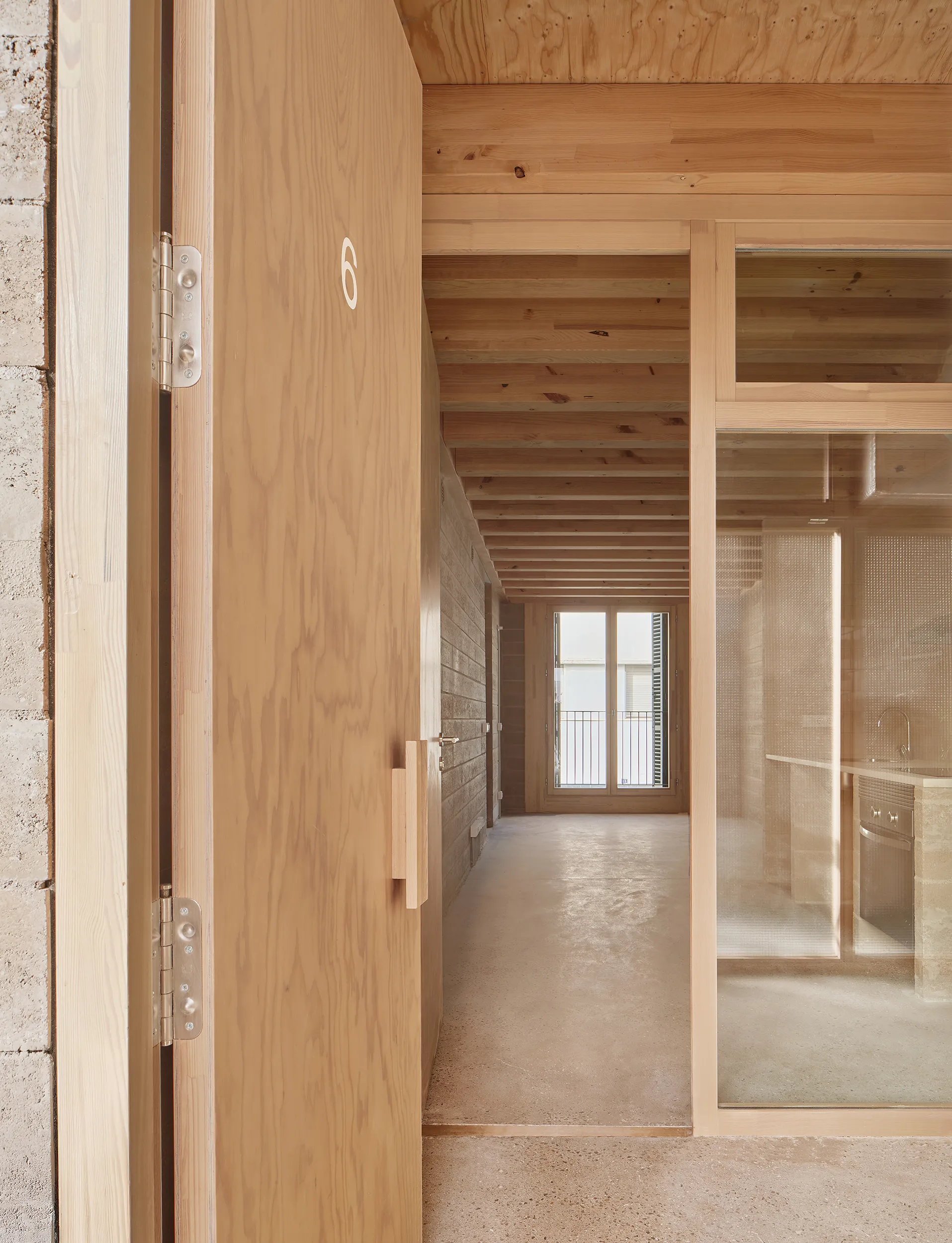
- The incorporation of compressed earth blocks (CEB) as the main enclosure system reduced the environmental footprint and provided the building with a strong identity. The project prioritised passive solutions such as cross ventilation, natural daylighting and construction simplicity to minimise resources and waste. This commitment to local materials and low-impact strategies made it possible to deliver responsible and efficient architecture.
We’ve worked with dedication
Implementing innovative technical solutions
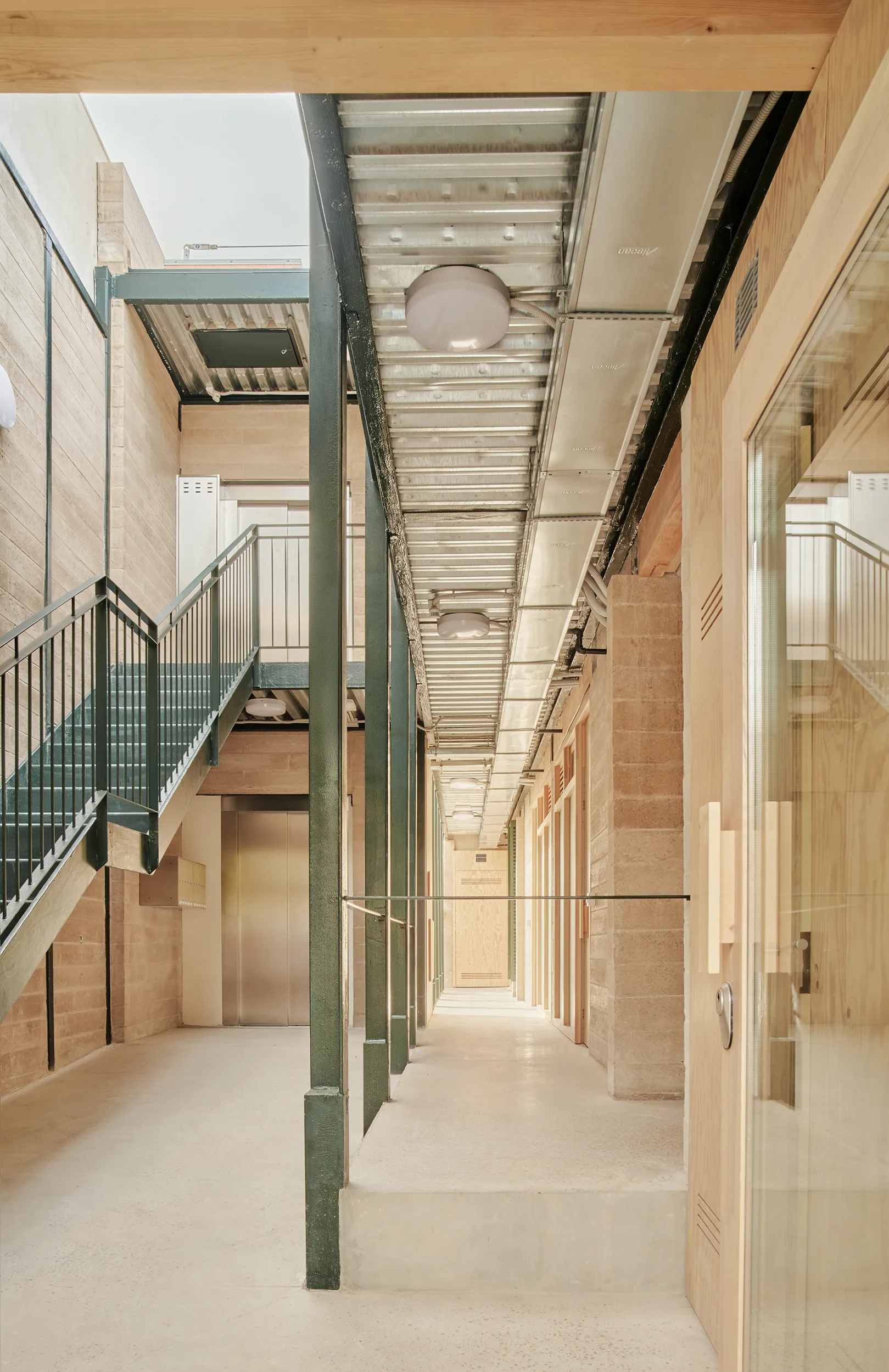
- The project integrated advanced construction systems, such as rationalised one-way slabs and a ceramic ventilated façade, ensuring efficiency and durability. The interior layouts, designed without corridors and with the kitchen as a central element, required precise coordination between architectural design and building services.
BTC
compressed earth blocks
38
dwellings
30
parking spaces