Passeig de Gràcia 30
- Refurbishment
- Residential
- High-end projects
- Heritage
- Restoration


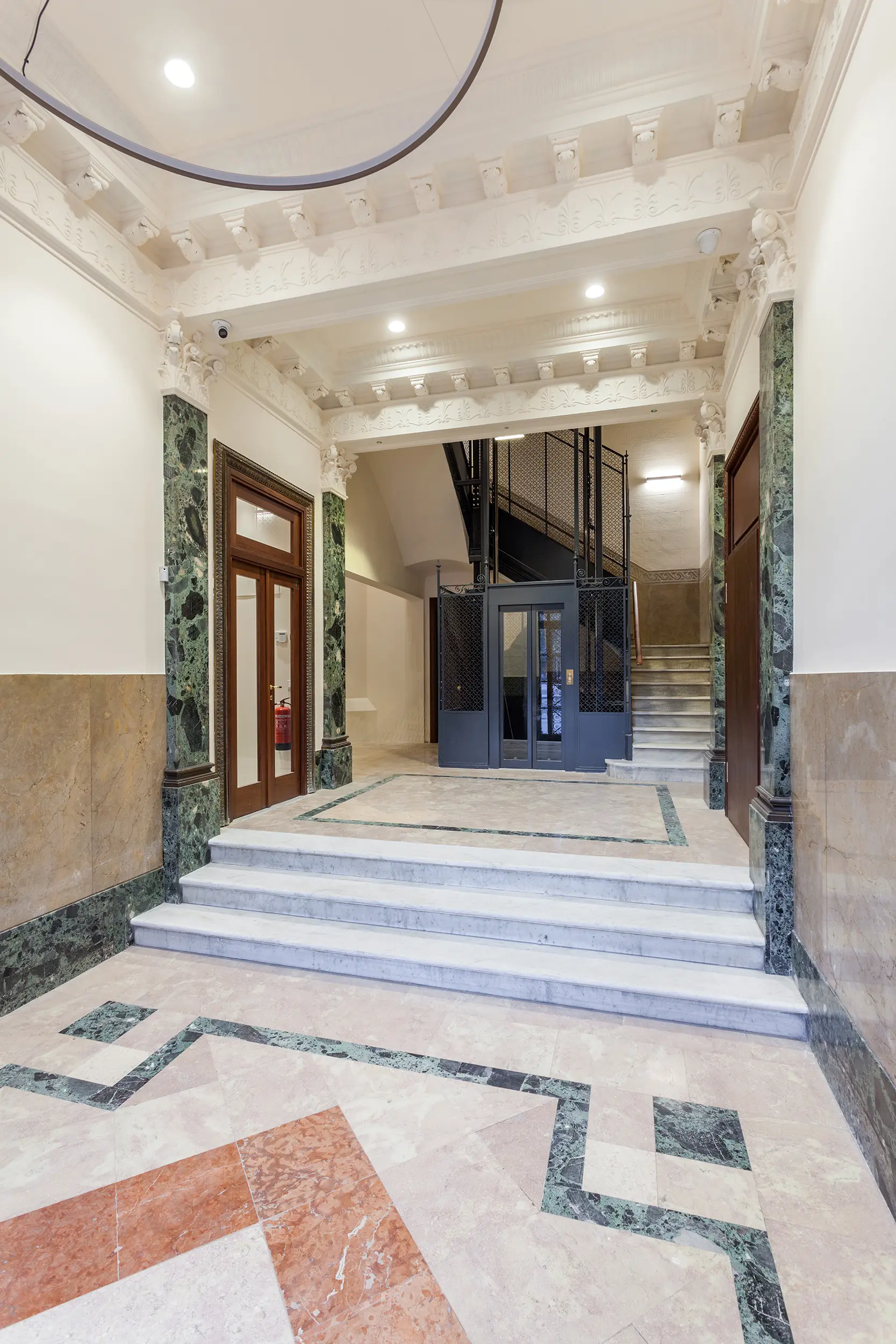
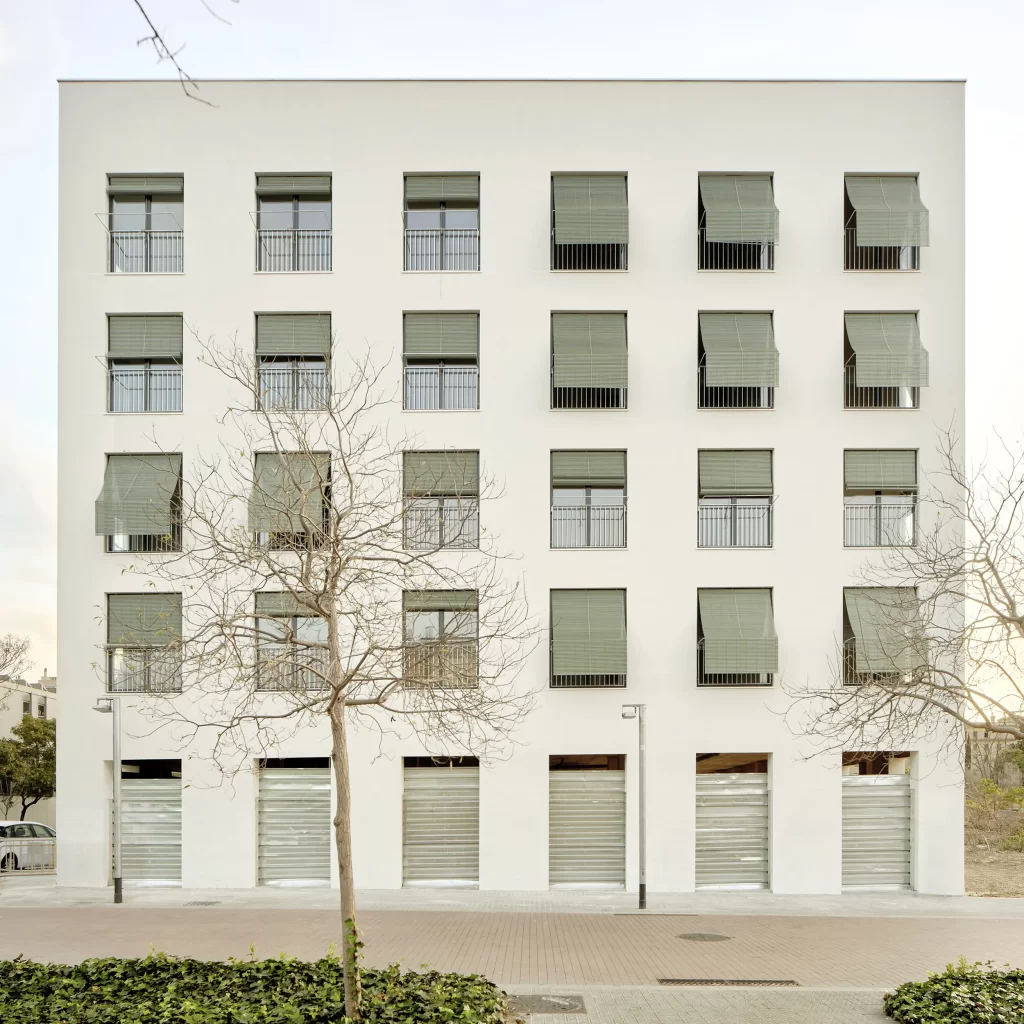
The building at Passeig de Gràcia 30 is located in one of the most iconic areas of Barcelona, at the heart of the city. Built in 1890, it is a listed property of great historical and architectural value, featuring a protected façade and multiple original elements that form part of its heritage.
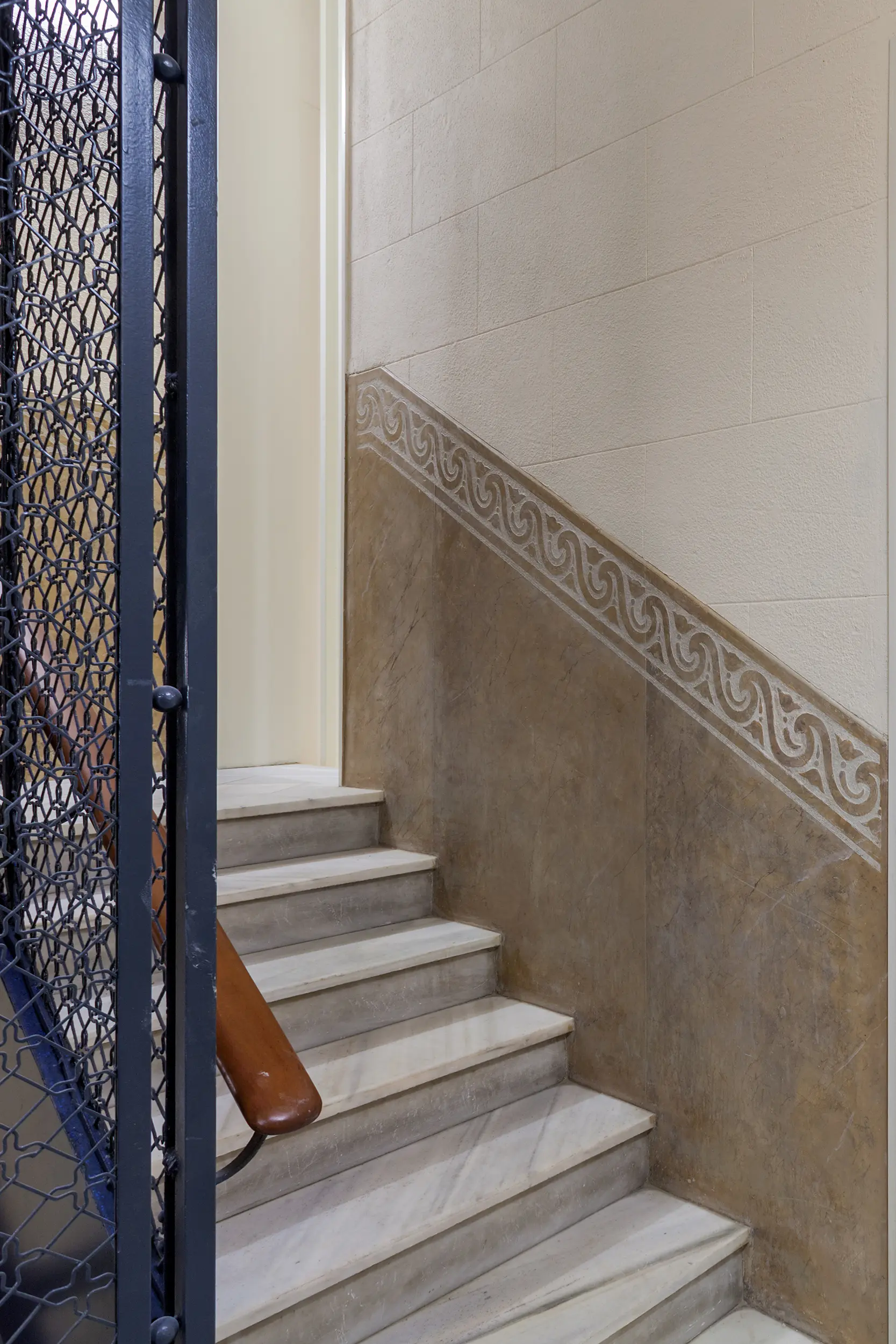
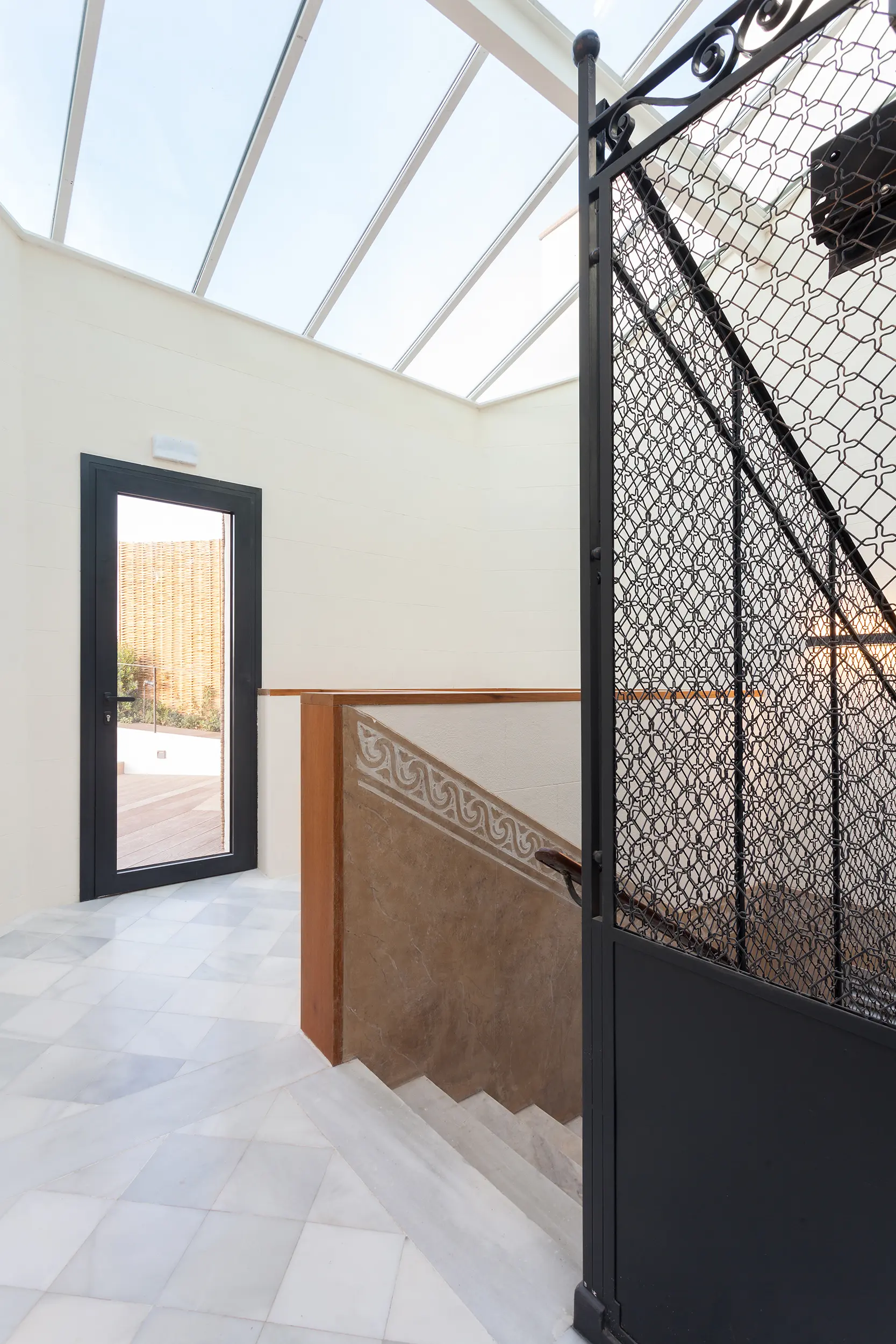
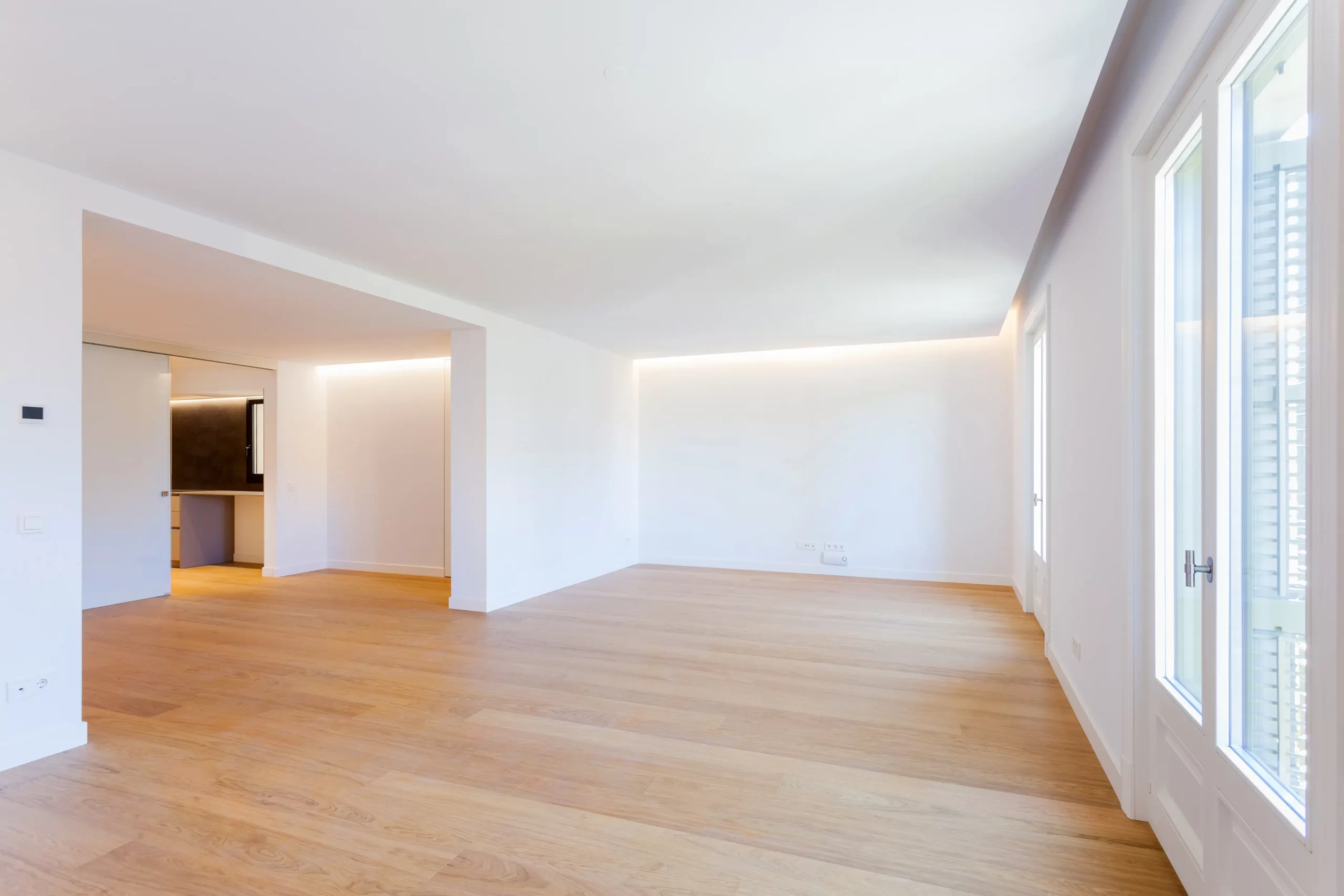
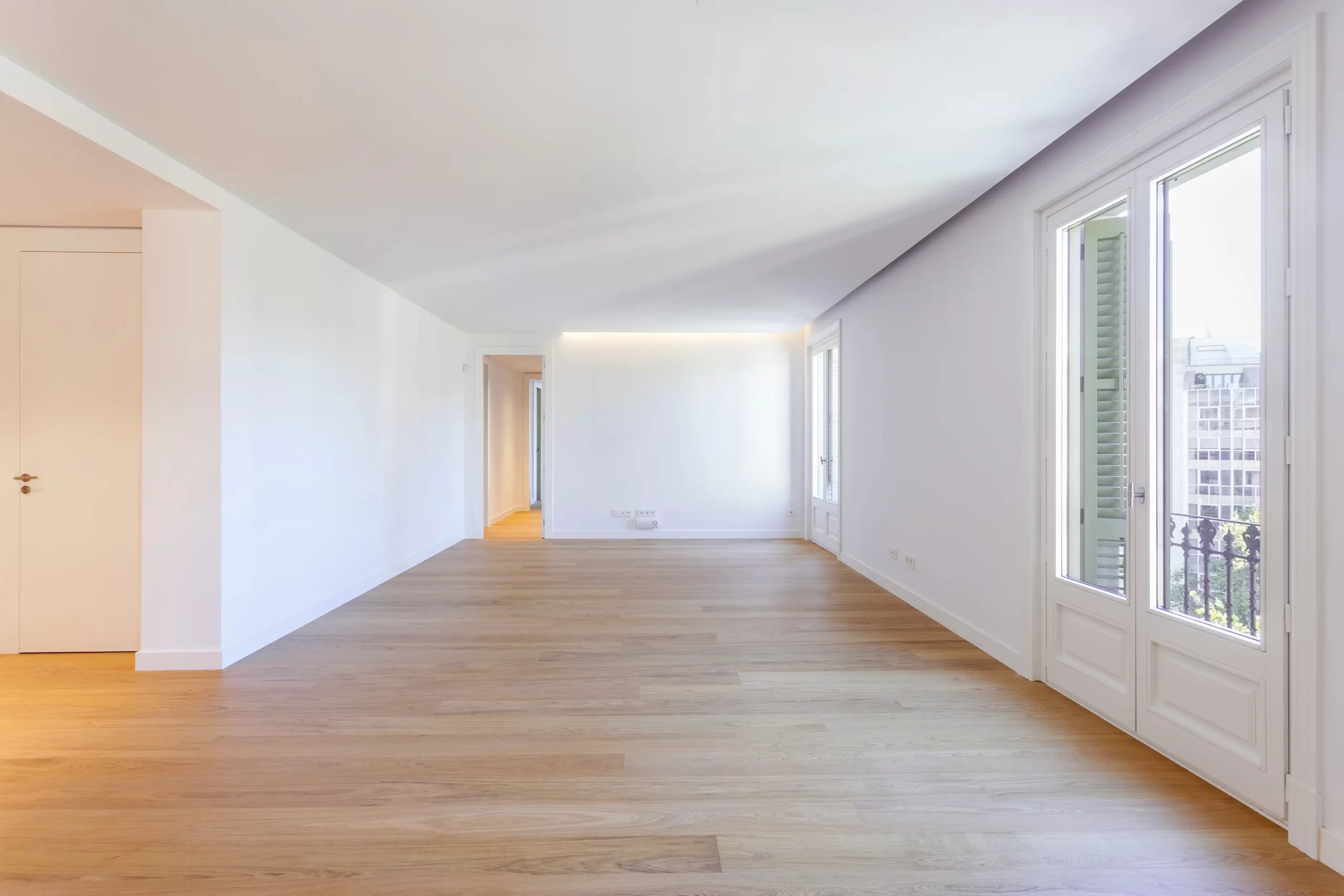
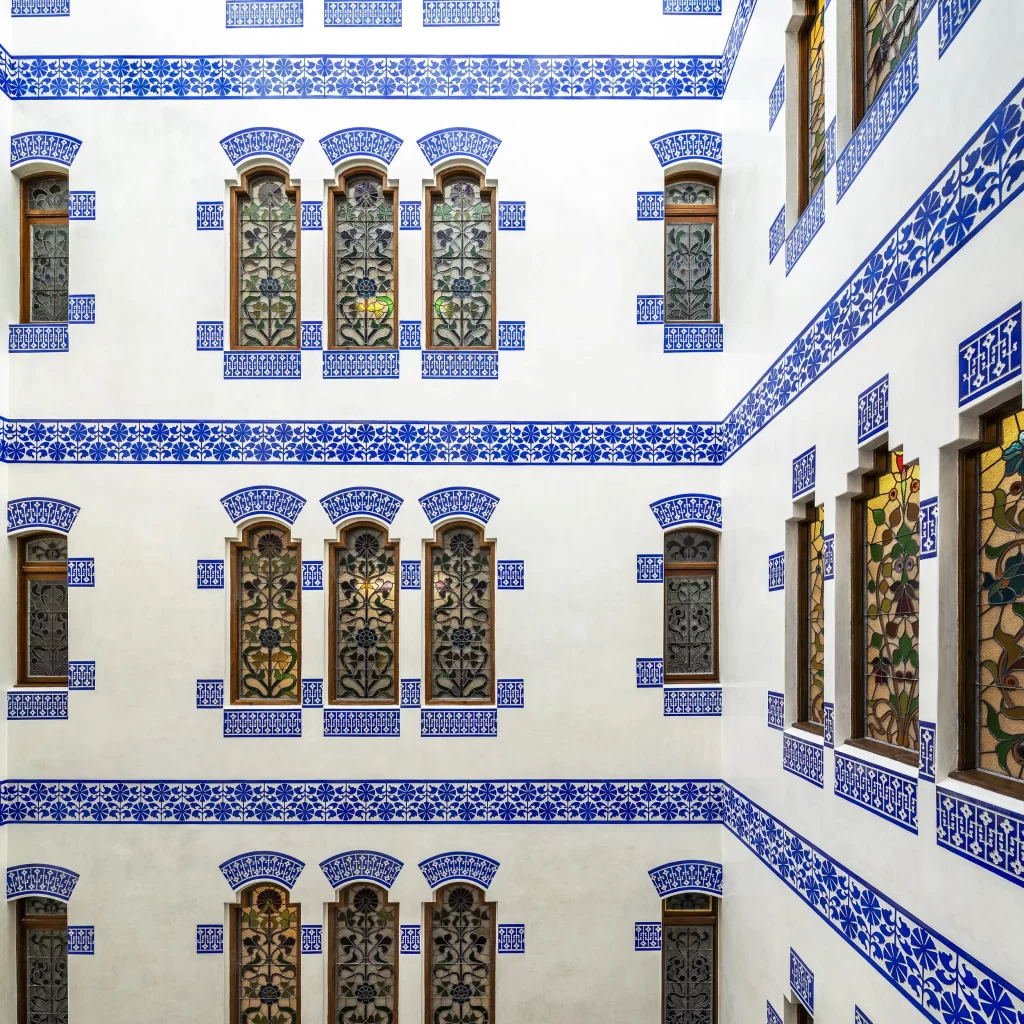
The project aimed to adapt the building to new residential and office uses while preserving its identity and enhancing its architectural value. The intervention involved extensive structural refurbishment to conserve and restore the listed façade and the preserved interior elements, implementing construction solutions to meet current regulations. The works included common areas, access points, the structure, roof and interior finishes.
- Year: 2018-2020
- Duration (months): 18
- Location: Passeig de Gràcia 30, Barcelona
- Surface area (m2): 3.351
- Developer: Privat
- Architecture: Batlle i Roig
- Photography: Francisco Urrutia
- Site Management and Supervision; PM: G3,
- Building Services: JSS Efficient Engineering,
- Structural Engineering: BIS Structures,
- Structural Calculation: Autodesk Robot, CypeCAD, Adapt Builder, Idea Statica,
- Technical Consultancy: Helena Salvadó.
-
User comfort and wellbeing
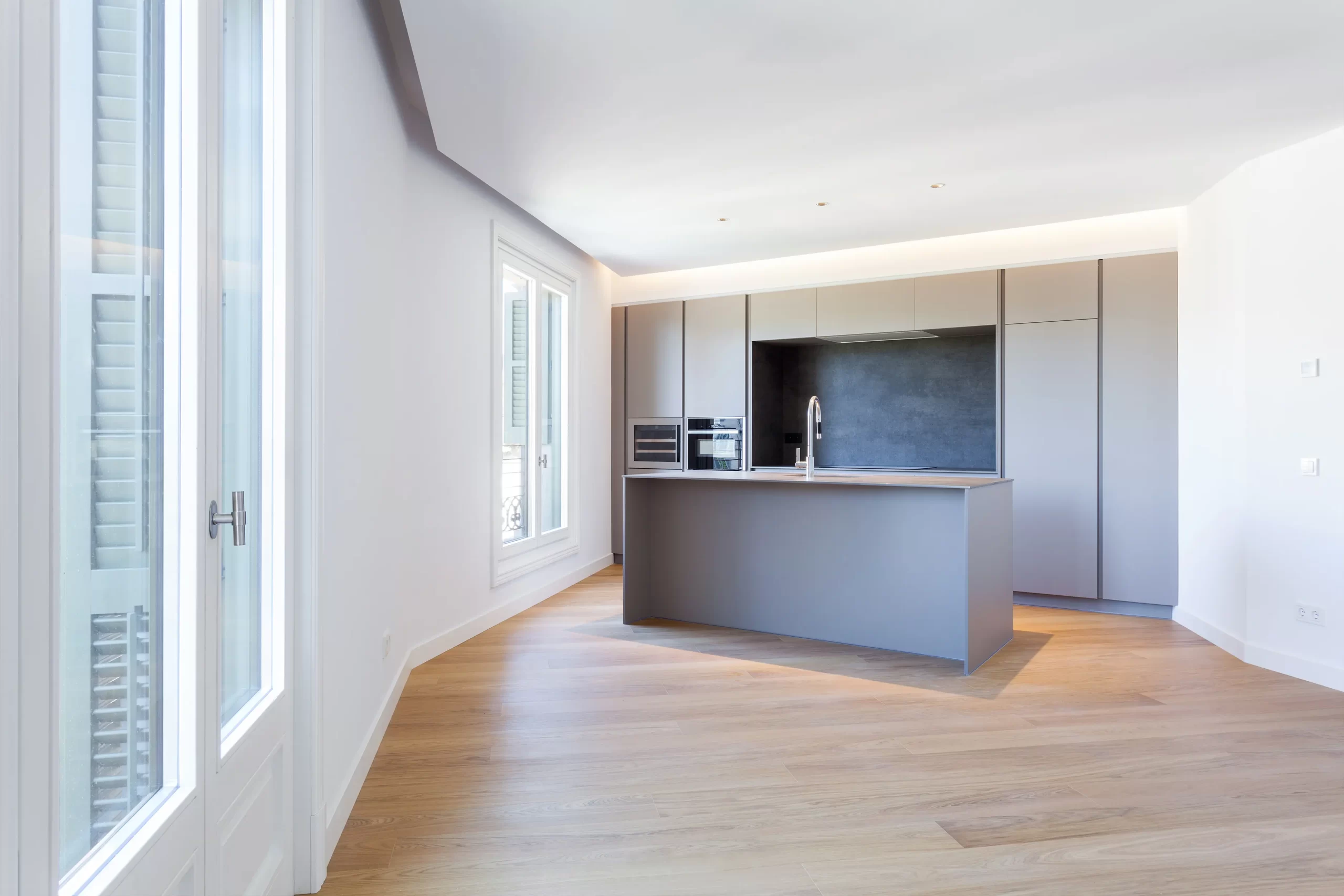
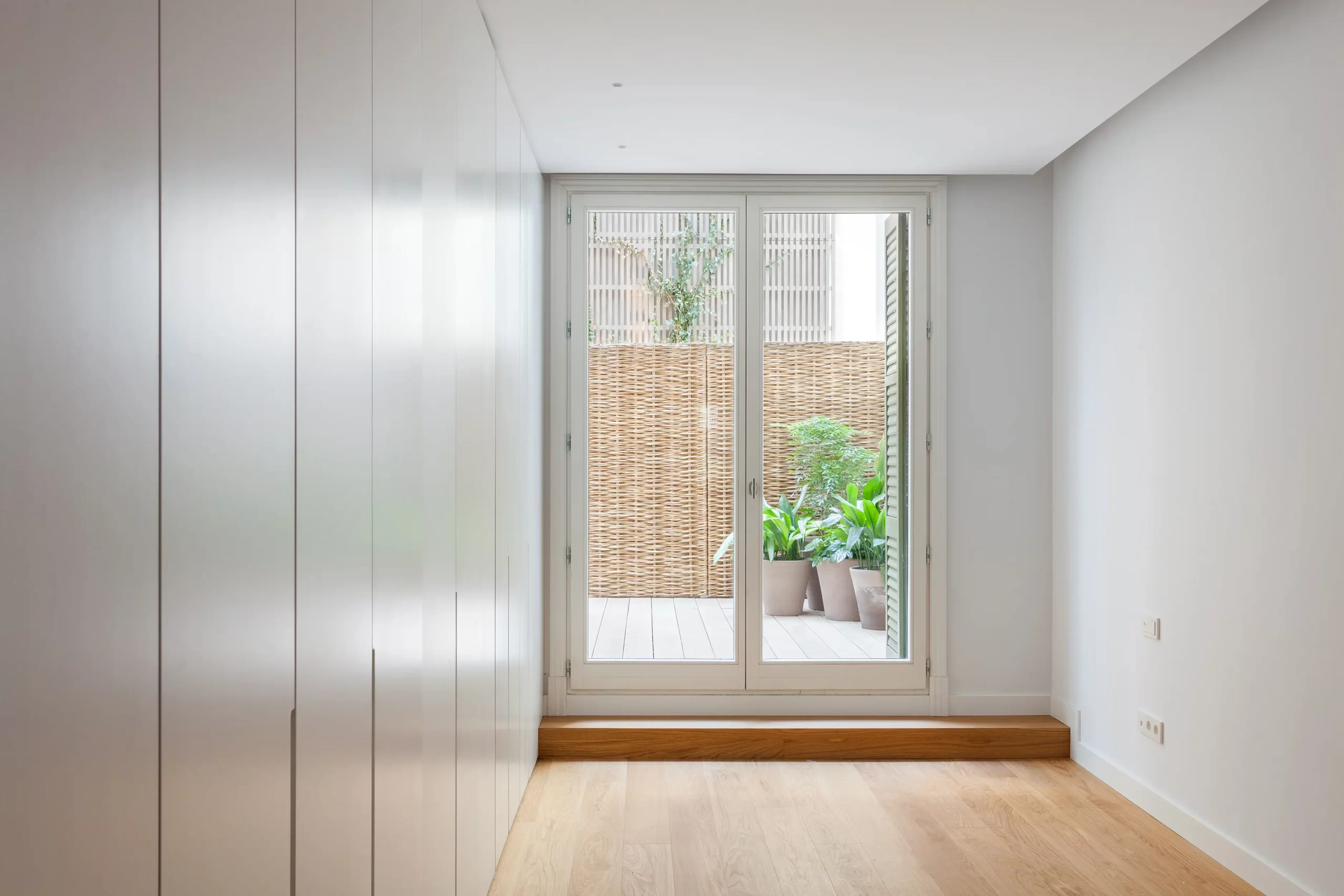
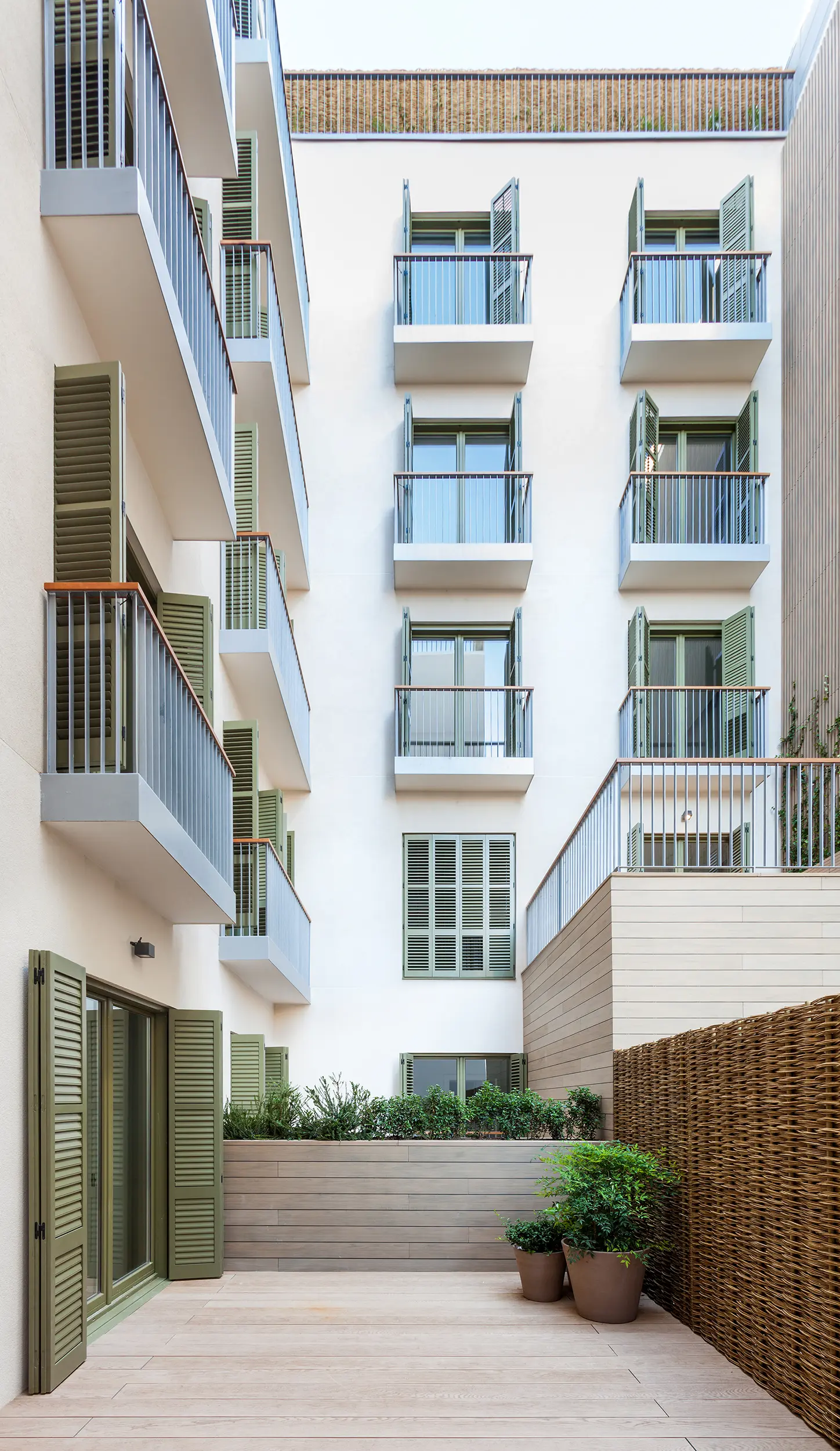
Contemporary interiors were created to ensure comfort, efficiency and accessibility while maintaining coherence with the original composition and identity of the building. The result is a set of well-insulated, functional spaces adapted to modern needs.
-
Added value and client satisfaction
Quality and heritage-respect criteria were applied. The new layout of floors, courtyards and access points improved the use of the building and made its new functions possible.
-
Exemplary project management and coordination
Effective coordination was ensured among the technical team, site management and restoration specialists, allowing structural refurbishment to be fully compatible with heritage conservation.
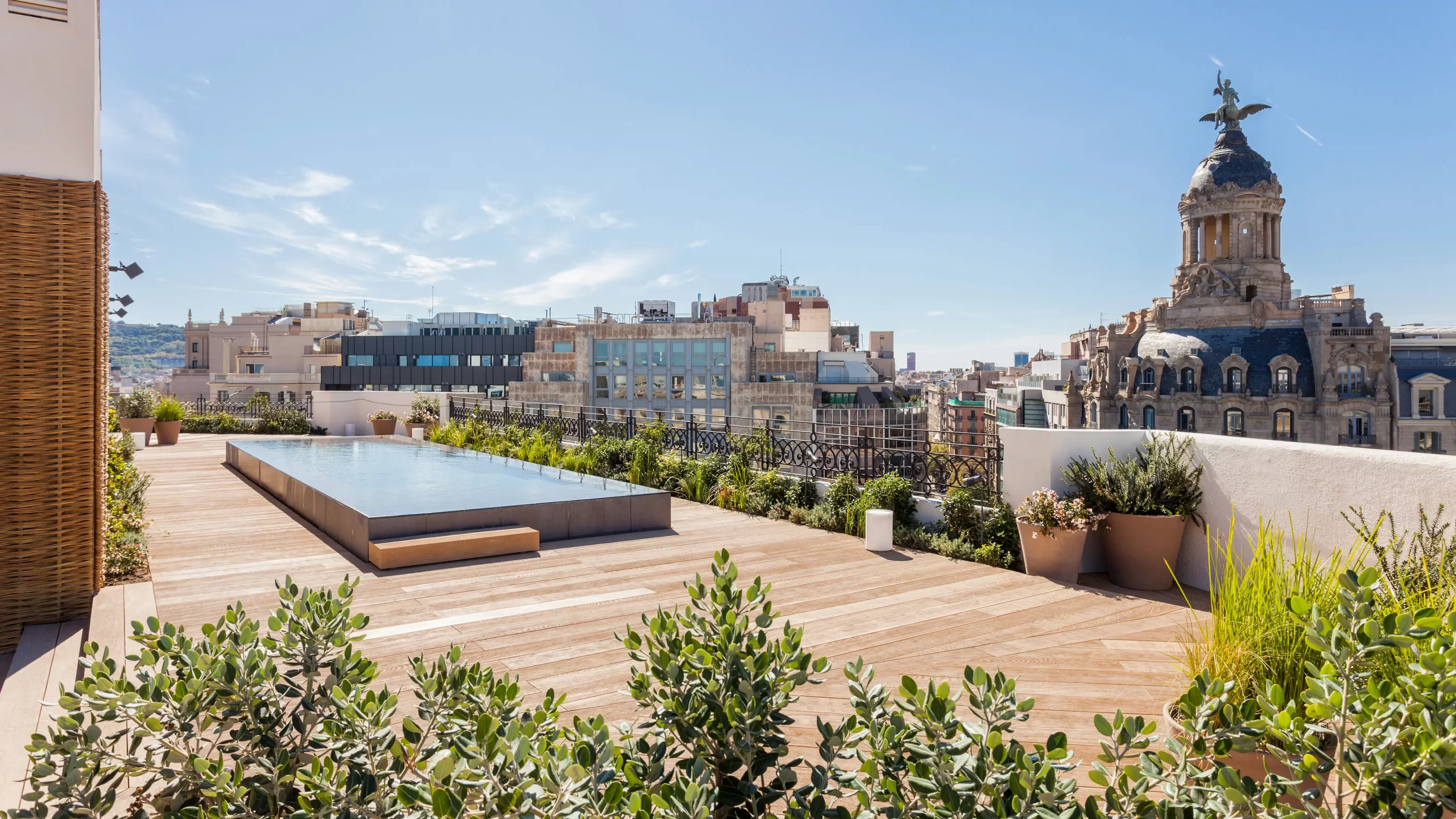
The restoration of a listed building’s heritage value
- The protected façade and original interior elements were restored, enhancing their architectural quality and preventing further deterioration over time.
New uses without losing the original character
- The building was adapted to residential and office uses in compliance with current regulations without altering the original structure. New technology, building services and energy-efficiency improvements were integrated into the existing architecture without damaging it.
Technical coordination and structural refurbishment
- A set of complex structural interventions was coordinated to guarantee stability, safety and respect for heritage values. Close collaboration between site management, technicians, restorers and specialists in listed elements allowed each phase to be completed with maximum precision.