Sau Reservoir Emergency Plan
- Civil works
- Water
- Sustainability


The Sau Reservoir, a reservoir of the Ter River, was built in 1949 in the centre of the Osona region. For facilities of this kind, it is essential to have emergency plans that are regularly reviewed and updated, in order to prevent risks arising from possible structural failures or extreme weather events, and to protect the population through rapid warning protocols and emergency procedures.
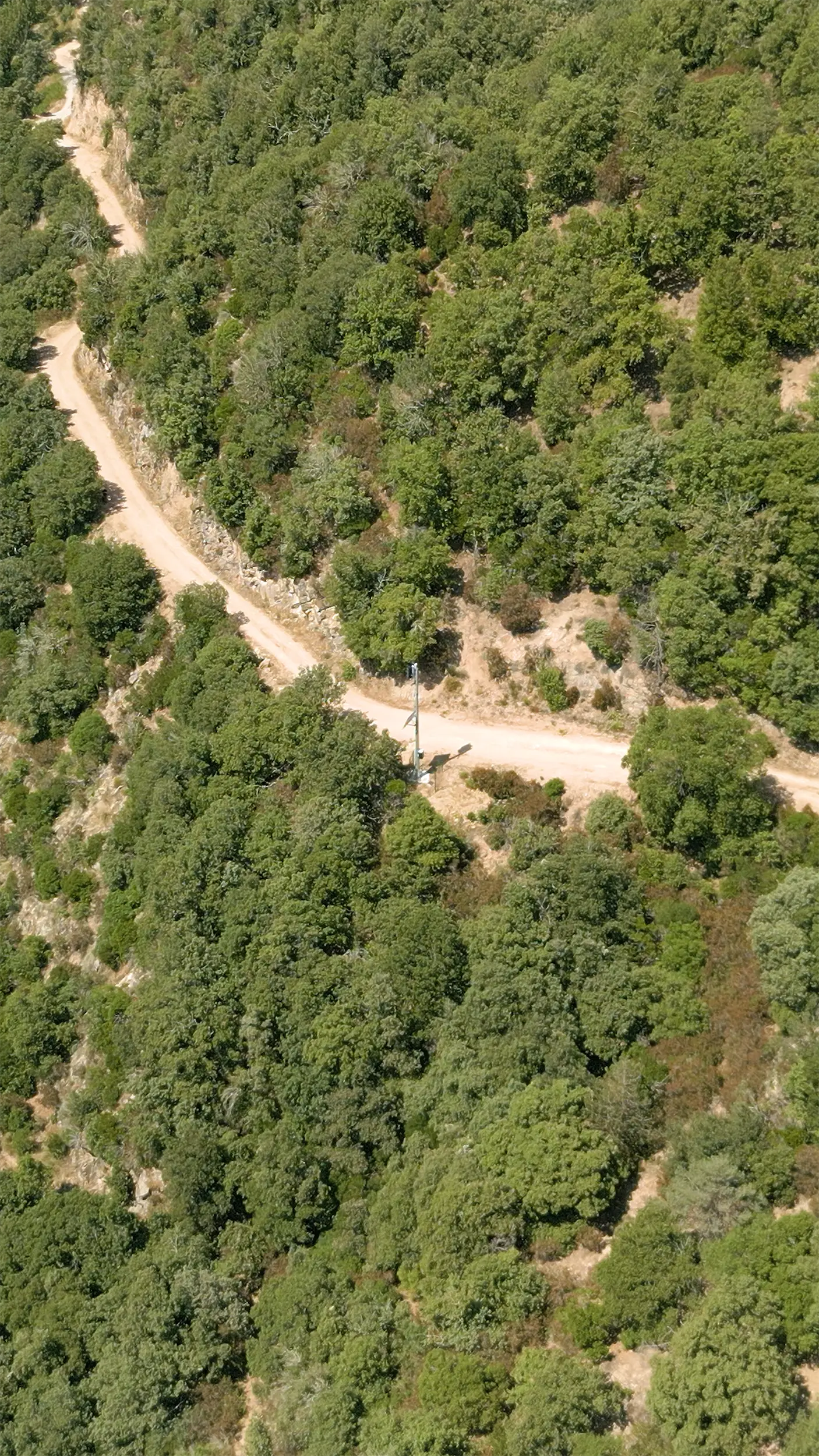
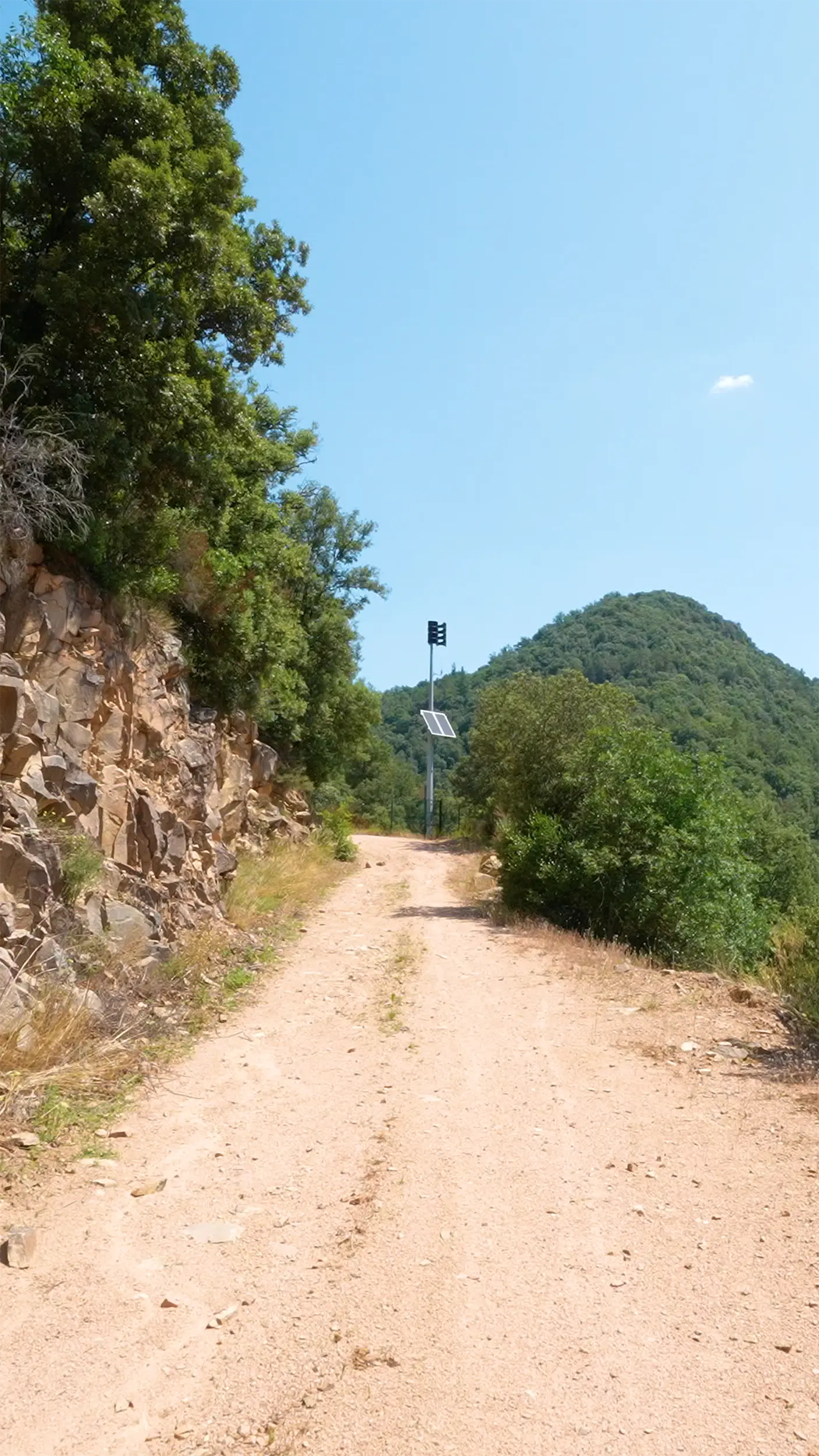
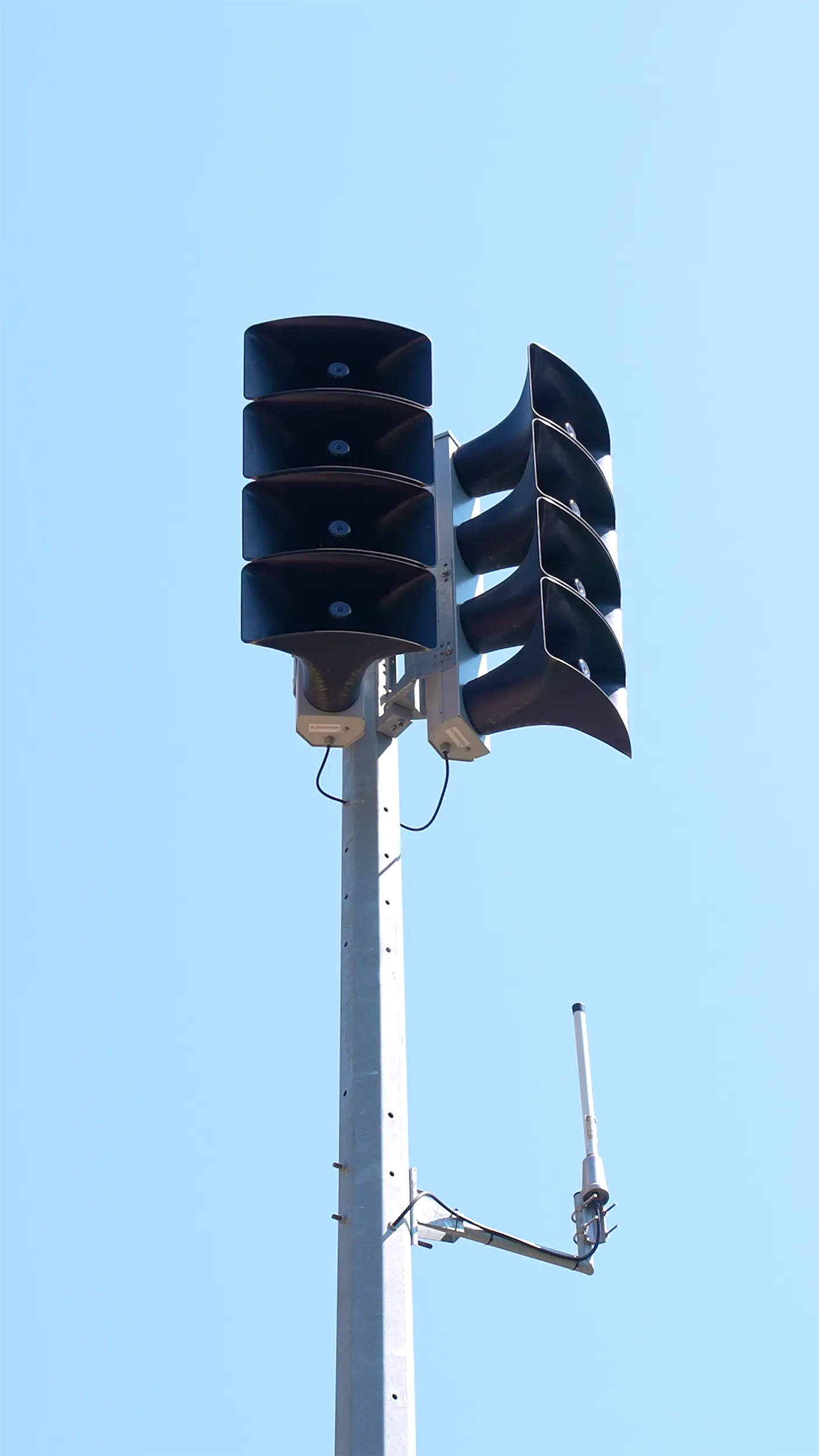
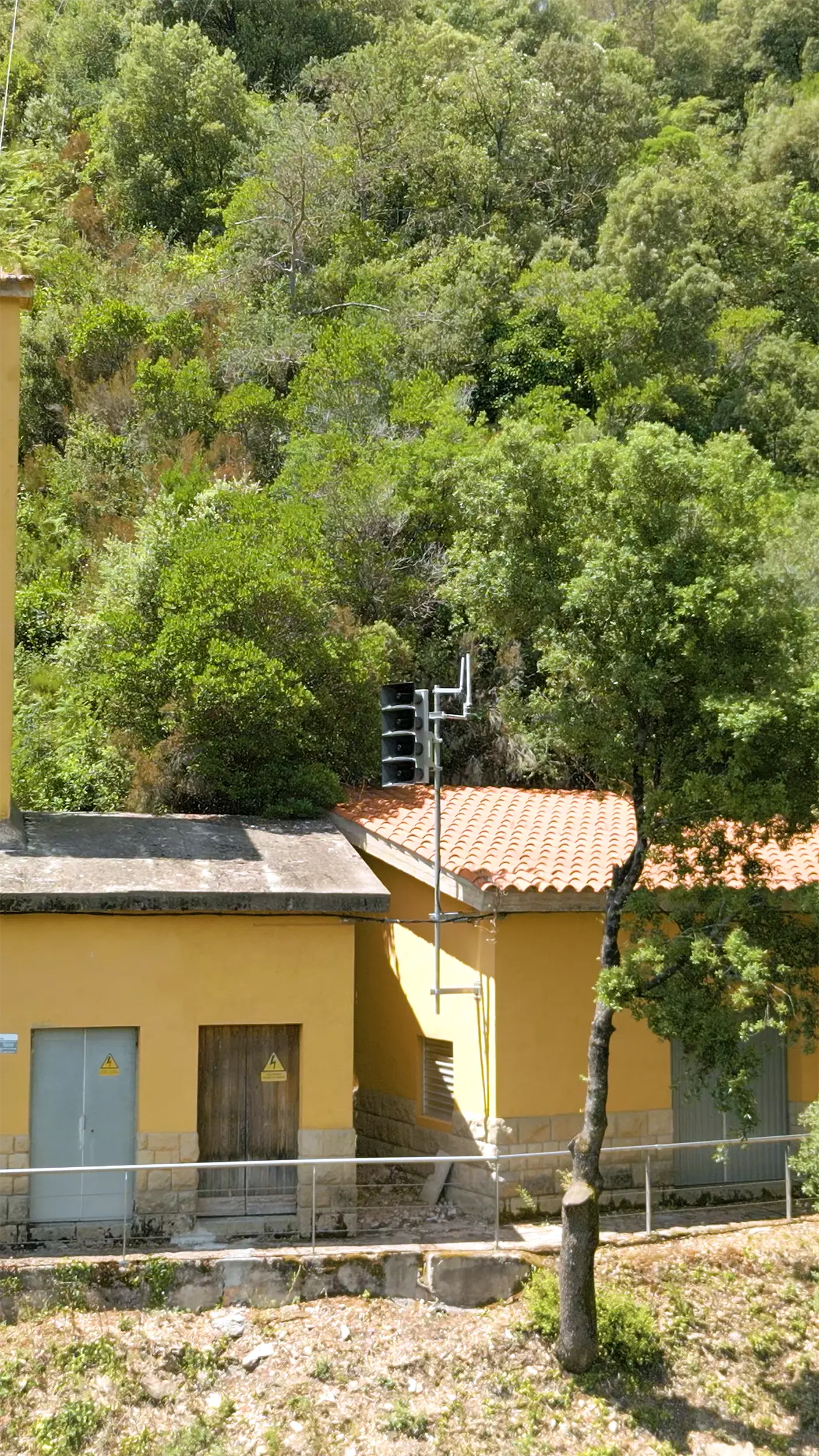
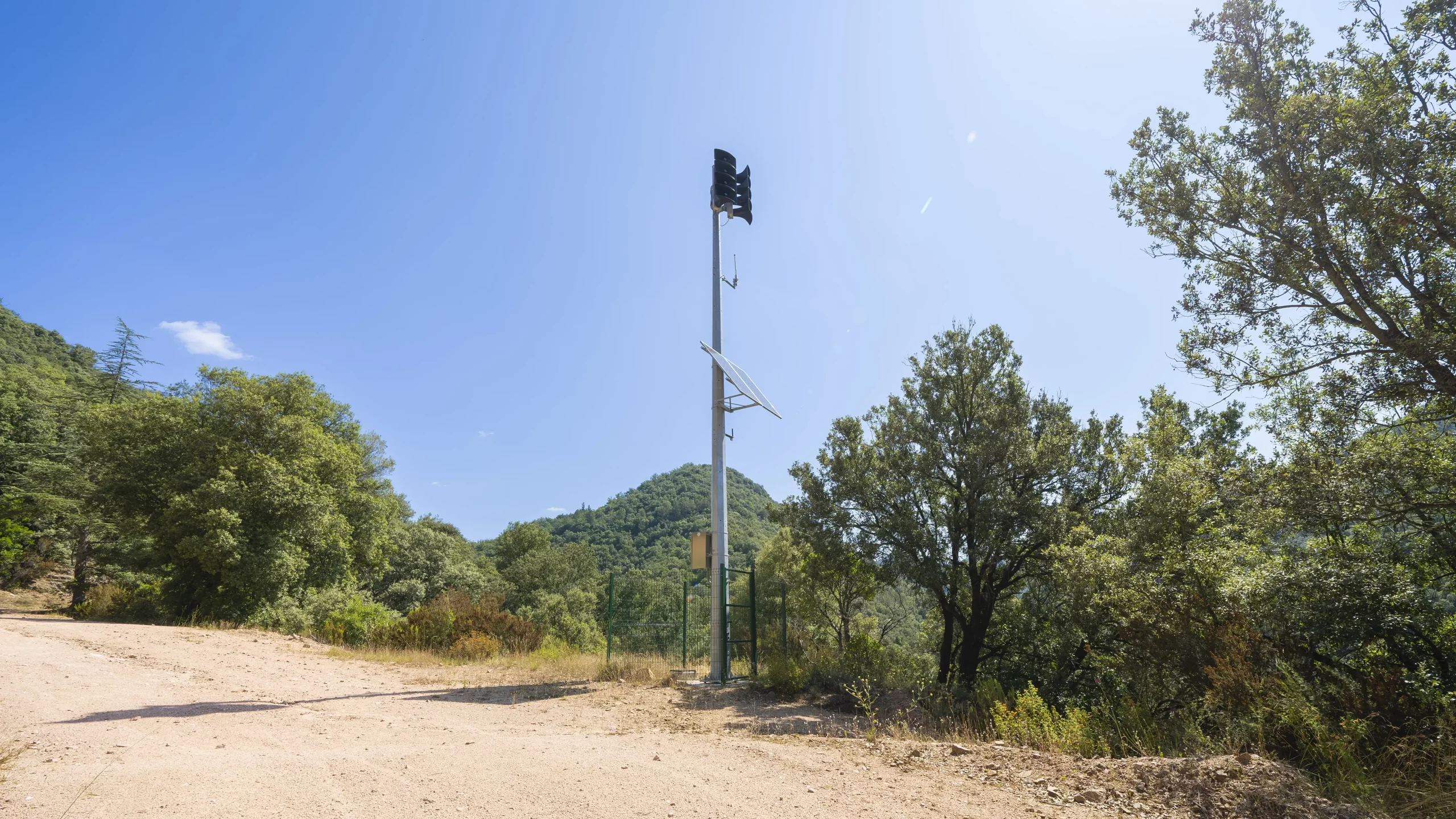
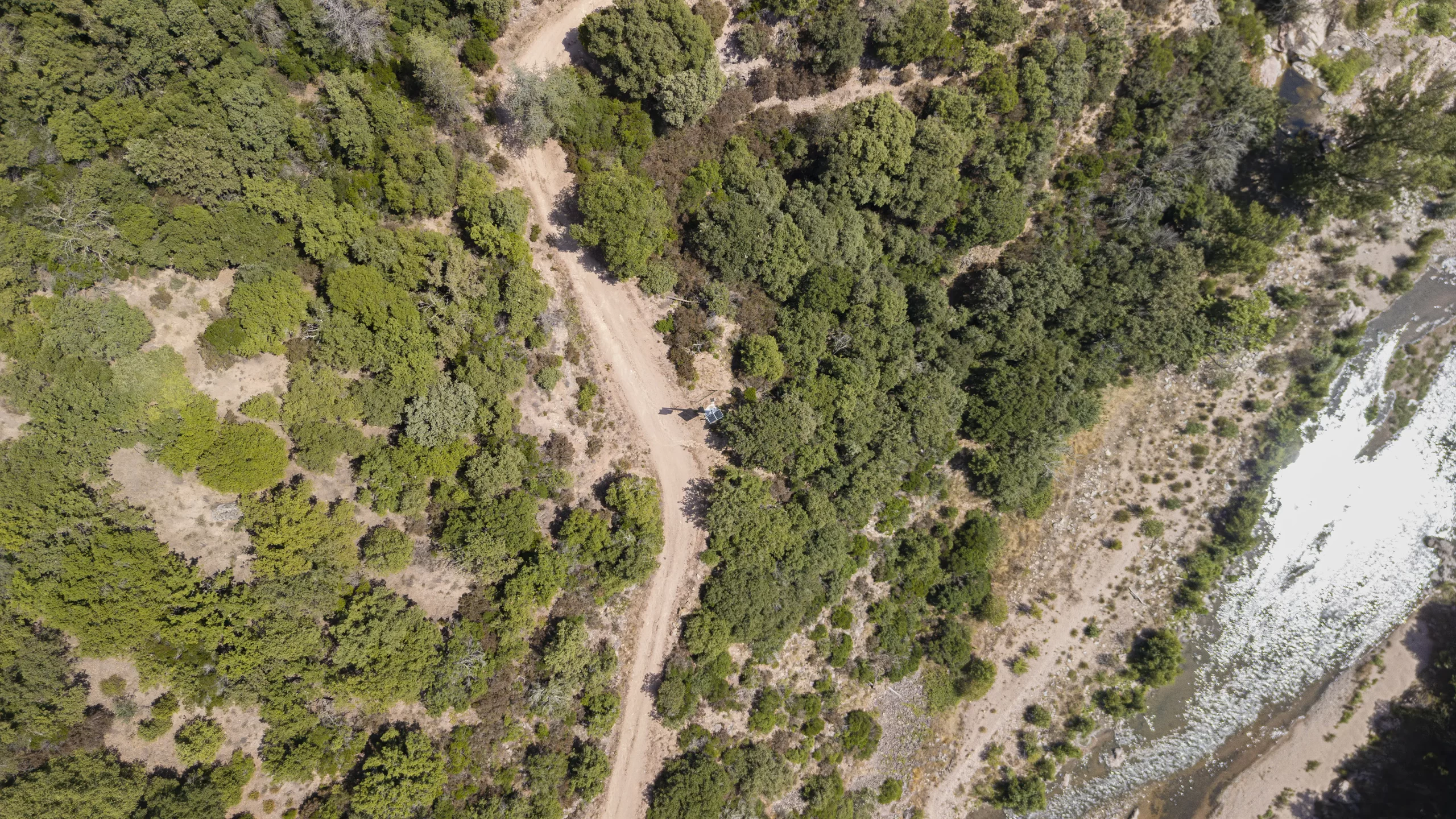
Three acoustic sirens were installed at different locations across the area, mounted on 11-metre-high towers, to alert the population in case of emergency. The aim was to enhance water safety and risk prevention in municipalities located downstream of the reservoir, as well as to complete the emergency warning network across the Ter Basin. The new sirens are fully powered by solar energy, without requiring connection to the electrical grid.
- Year: 2023-2024
- Duration (months): 7
- Location: Pantà de Sau, Vilanova de Sau
- Surface area (m2): 300
- Developer: ACA
- Architecture: Direcció tècnica ACA
- Construction: UTE Constructora del Cardoner & LAFCARR
- Photography: Stupendastic
- Video: Stupendastic
- Roof Waterproofing: Auva Ambient
- Wood Carpentry: Fusteria Prodecarp
- Aluminium Carpentry: Carvidral
- Metal Carpentry: Hac Metall
- Plasterboard Works: Innova Hotels Grup
- Building Services: Kiel Instal·lacions
- Fire Protection: Ignifugacions Generals
- Kitchen: Mobles de Cuina Stil
- Antenna Installation & Software: Lafcarr Project & Design
- Photography: STUPENDASTIC
Cardoner Aigua,
Cardoner Instal·lacions
The sustainability of the entire installation
- Autonomous installation powered 100% by solar energy, with no connection to the electrical grid.
- Optimised transport and logistics to reduce emissions.
- Partial reuse of existing paths and routes to access installation points.
System reliability
- Energy autonomy: sirens powered by photovoltaic panels and electric batteries.
- Communication via mobile network and redundant VHF/UHF and TETRA radio systems for emergencies.
The sustainability of the entire installation
- Autonomous installation powered 100% by solar energy, with no connection to the electrical grid.
- Optimised transport and logistics to reduce emissions.
- Partial reuse of existing paths and routes to access installation points.