REFURBISHMENT OF THE ROOF OF THE WASTEWATER TREATMENT PLANT
EDAR Caldes de Montbui


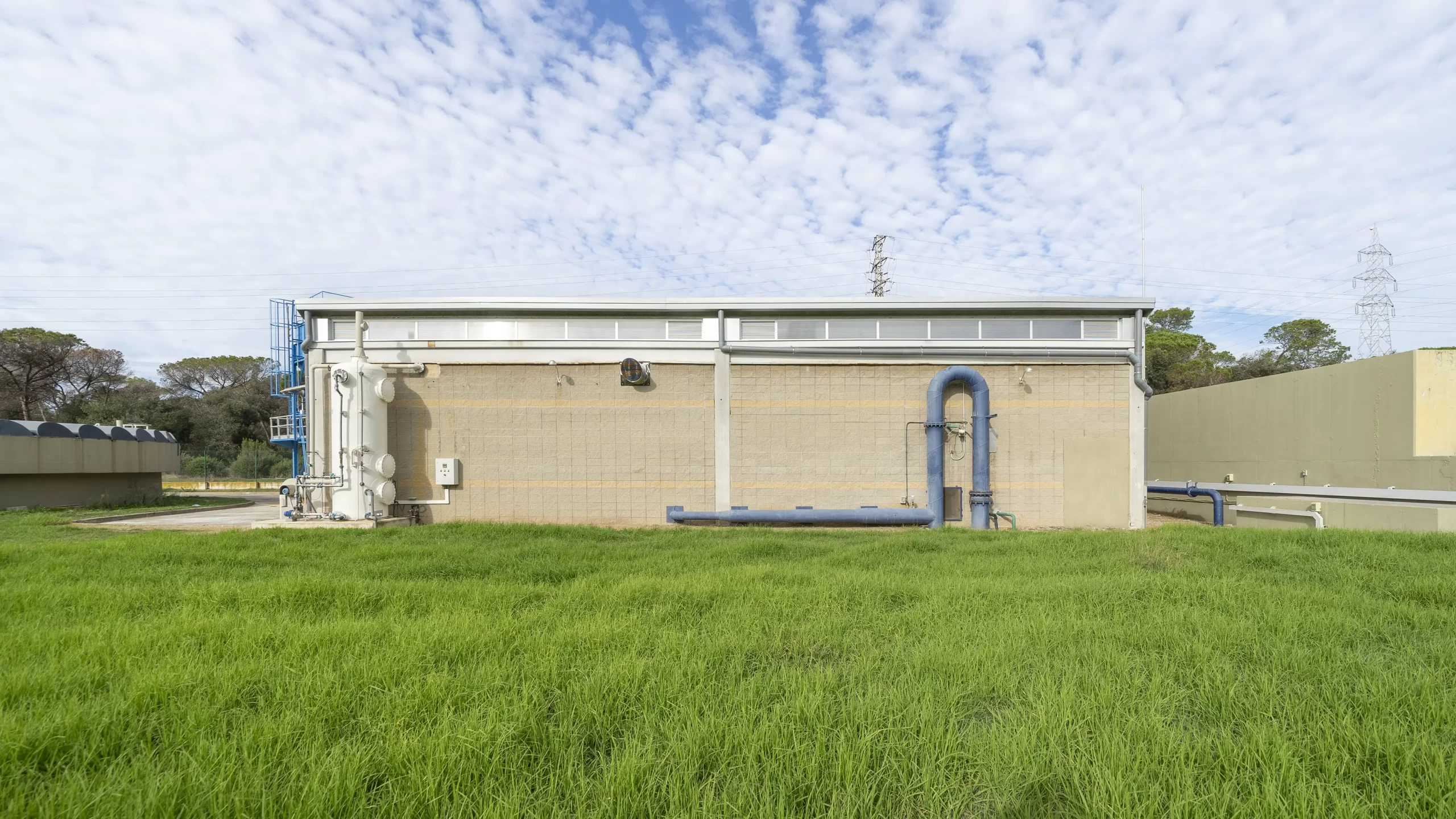
EDAR Caldes de Montbui is a wastewater treatment plant located on the outskirts of the town. Our intervention consisted of refurbishing the roof of one of the facility’s buildings, including the installation of a photovoltaic system.
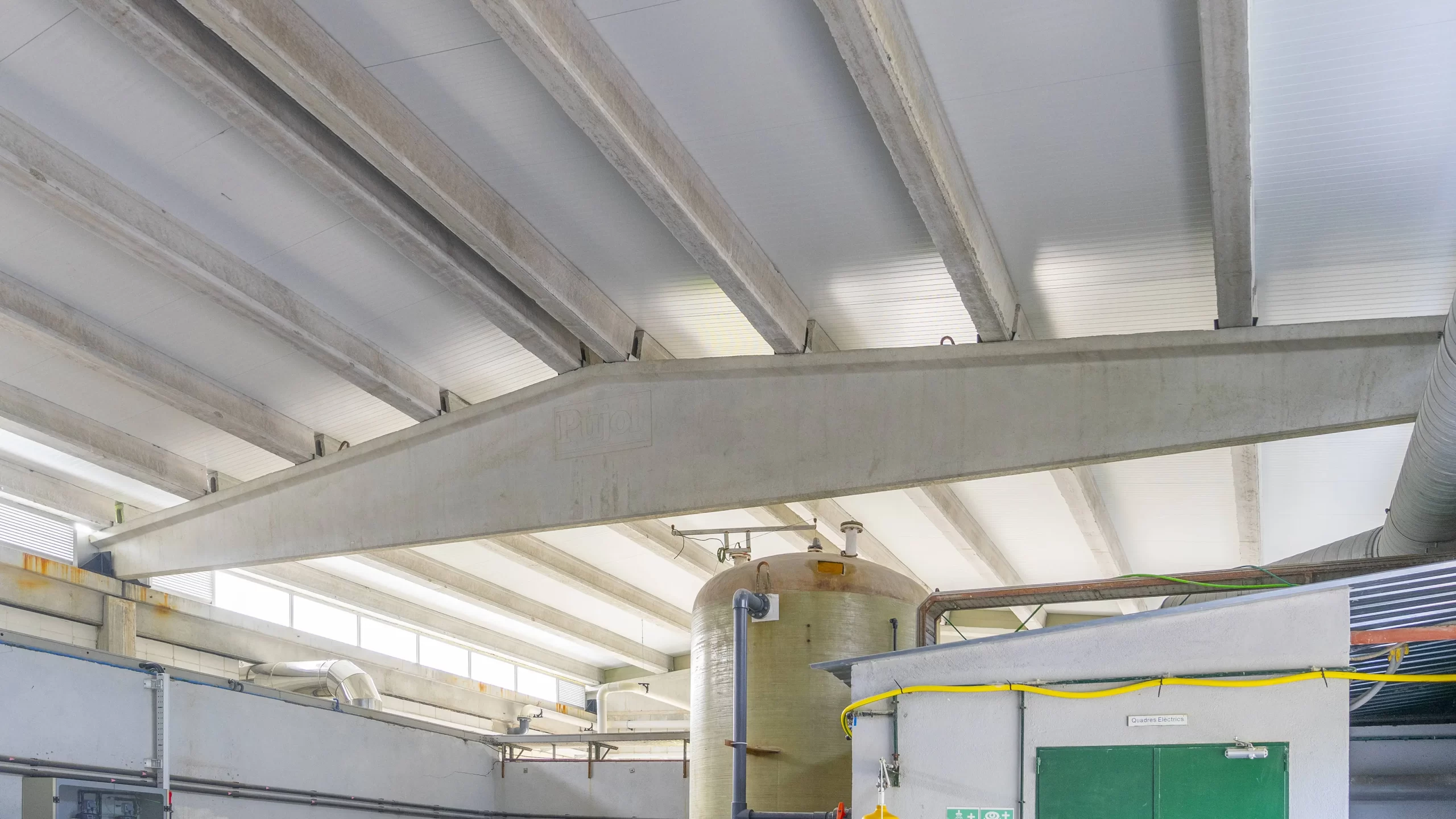
Commissioned by the Besòs Tordera Consortium, we carried out the comprehensive refurbishment of the roof of the dehydration and reagents building at the Caldes de Montbui WWTP. The project improved the watertightness, safety and energy efficiency of the facility through the application of advanced technical solutions and rigorous site management, resulting in an efficient, safe and sustainable intervention serving the water cycle.
- Year: 2023-2024
- Duration (months): 5
- Location: EDAR Caldes de Montbui (Vallès Oriental)
- Surface area (m2): 350
- Developer: Consorci Besòs Tordera
- Architecture: Direcció d'obra: OUA Group
- Photography: Stupendastic
- Video: Stupendastic
Cardoner Aigua,
Cardoner Instal·lacions
WE HAVE BROUGHT TO FRUITION
Improve building conditions and safety
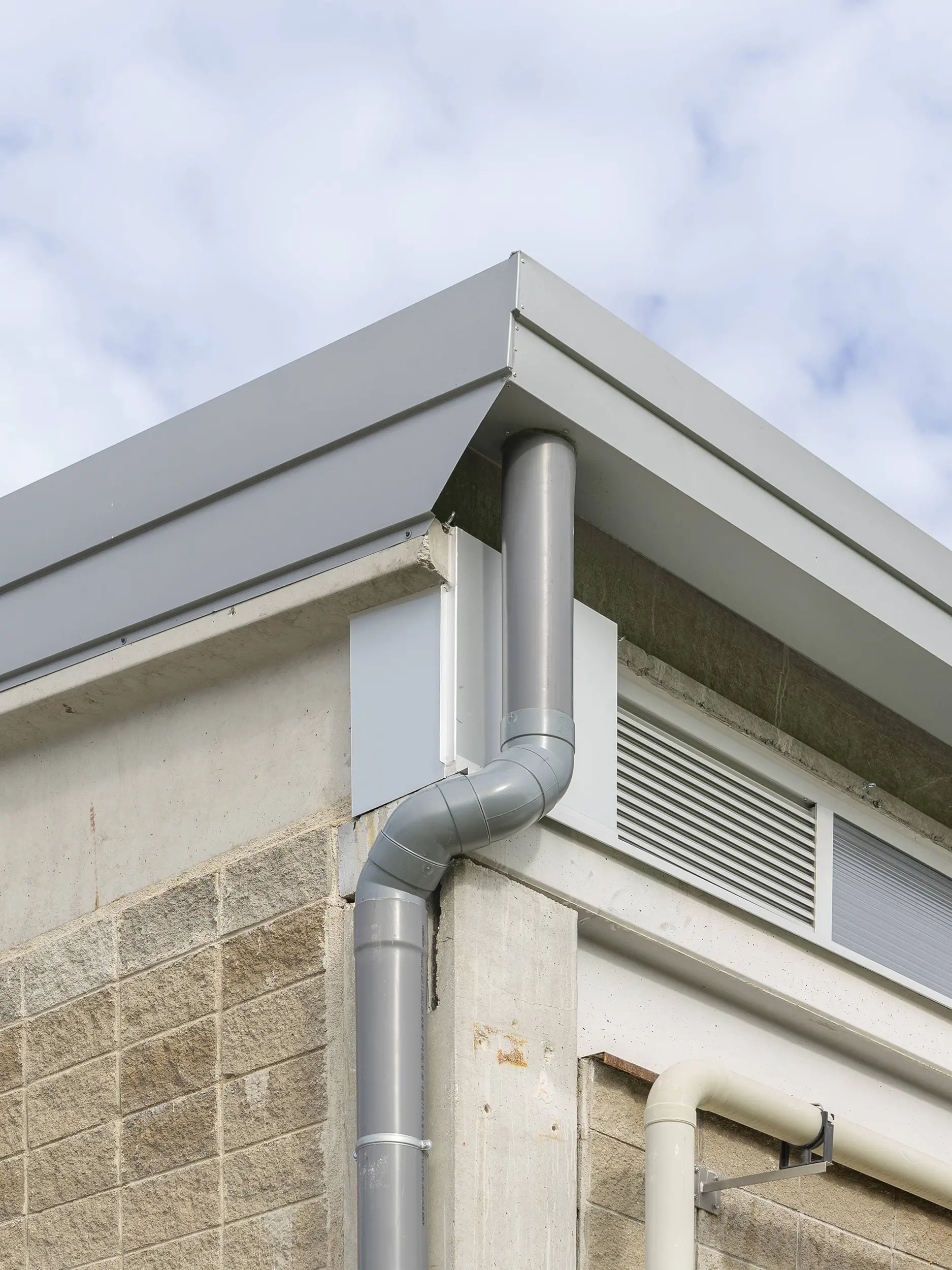
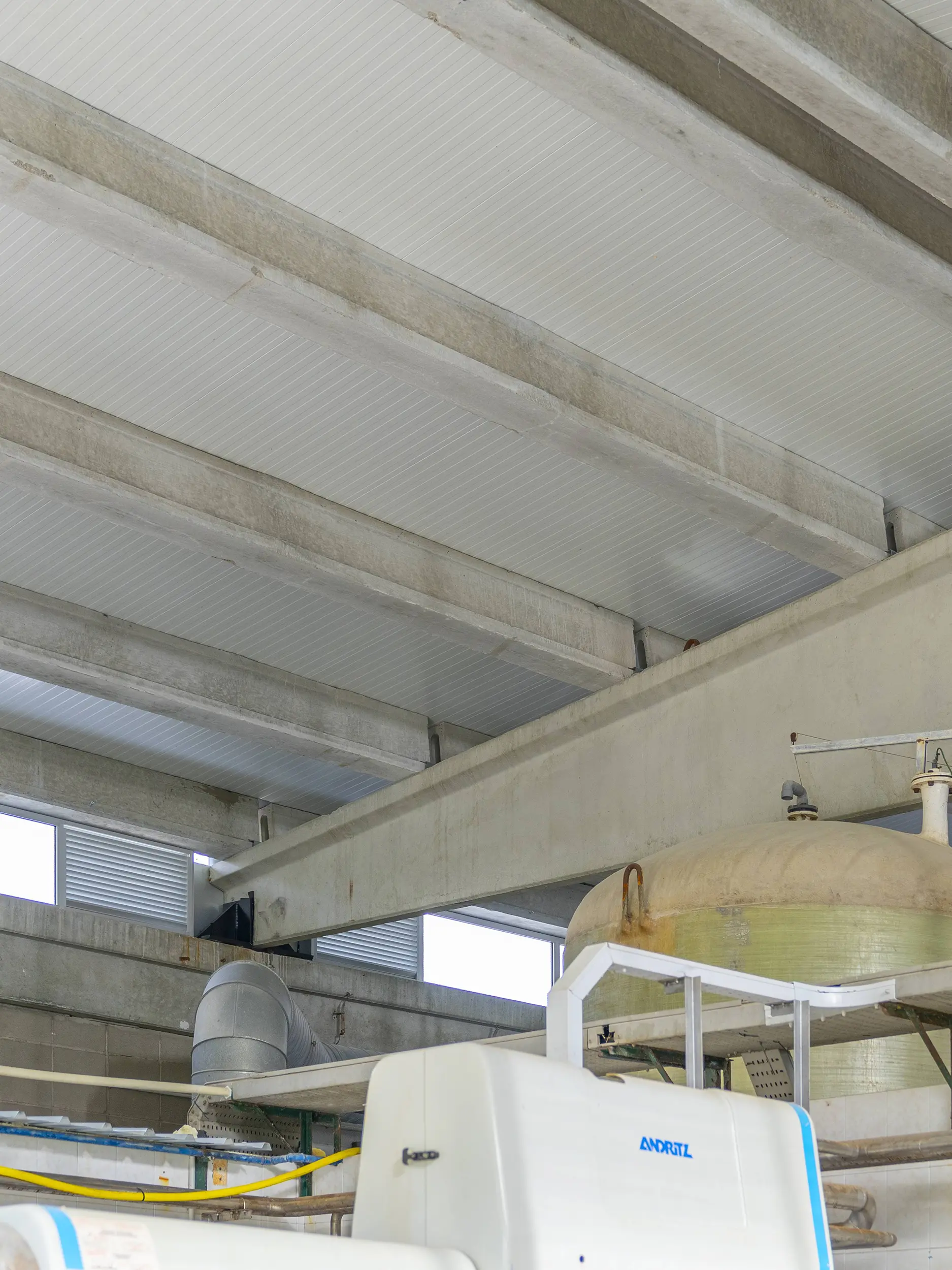
- The intervention improved the building’s watertightness, durability and energy efficiency by replacing the existing roof with a new system of girders, reinforced concrete beams and thermally insulated metal sandwich panels with anti-corrosion finishes. The works also ensured a safer and more efficient working environment for the WWTP’s technical staff.
WE HAVE MADE POSSIBLE
A commitment to sustainability
- Installation of self-consumption photovoltaic solar panels with a capacity of 54.6 kWp (50.0 kW nominal).
- Use of recyclable and long-lasting materials, reducing waste generation and future energy consumption.
- Removal of the old metal roof elements, sent to authorised recycling plants, achieving material recovery of over 80%.
- Improved thermal insulation of the building, reducing energy demand.
WE HAVE WORKED TO THE HIGHEST STANDARDS
To incorporate innovative solutions
- The project incorporated state-of-the-art construction solutions for industrial metal roofs, with high thermal-efficiency sandwich panels and mechanised fixing systems that allowed installation without interrupting internal operations. Digital site monitoring (as-built BIM model) was used to coordinate interfaces and ensure traceability of the works, improving safety and execution planning.
80 %
recycled metal material
BIM
as-built BIM model
>15
technicians involved
5
months
54,6
kWp photovoltaic system
350
m2 intervention area