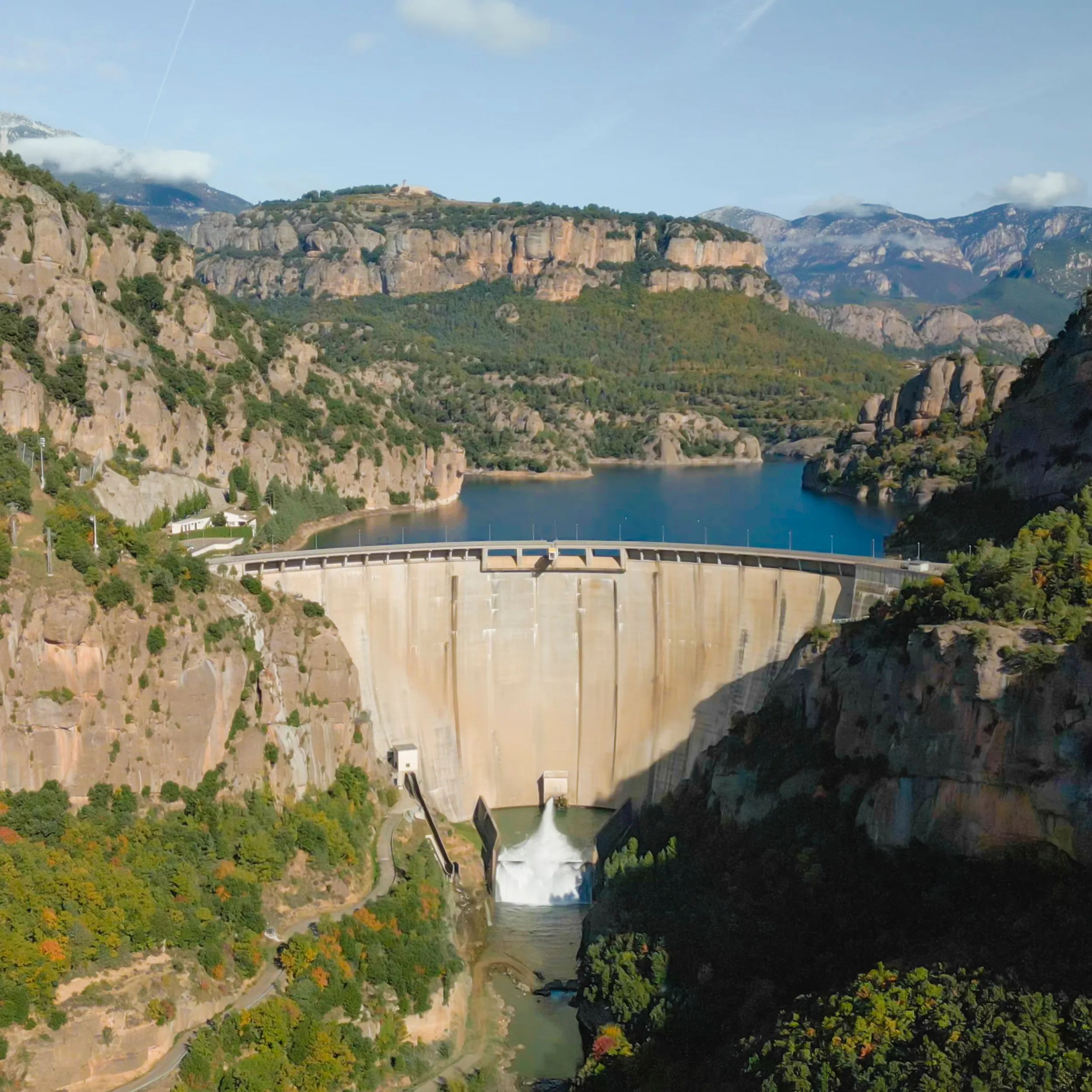
Emergency plan for the Llosa del Cavall dam


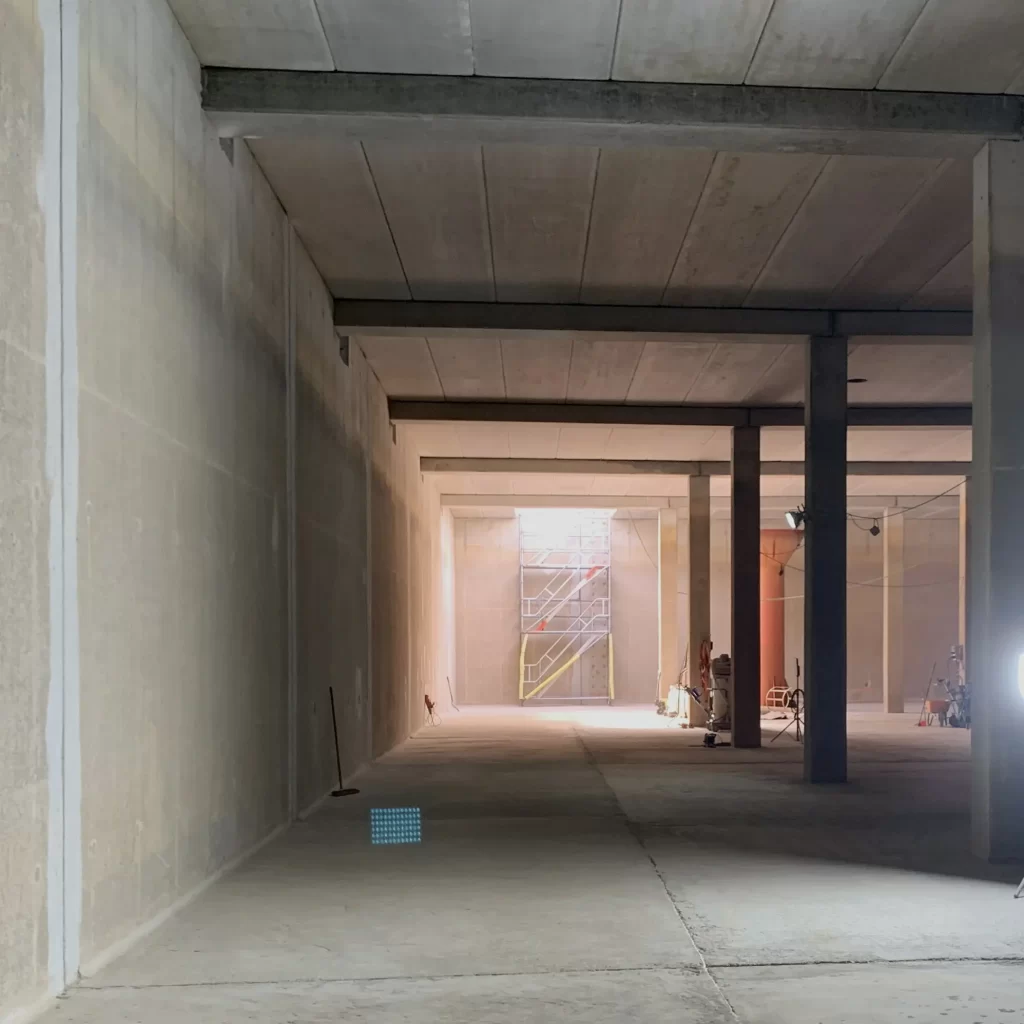
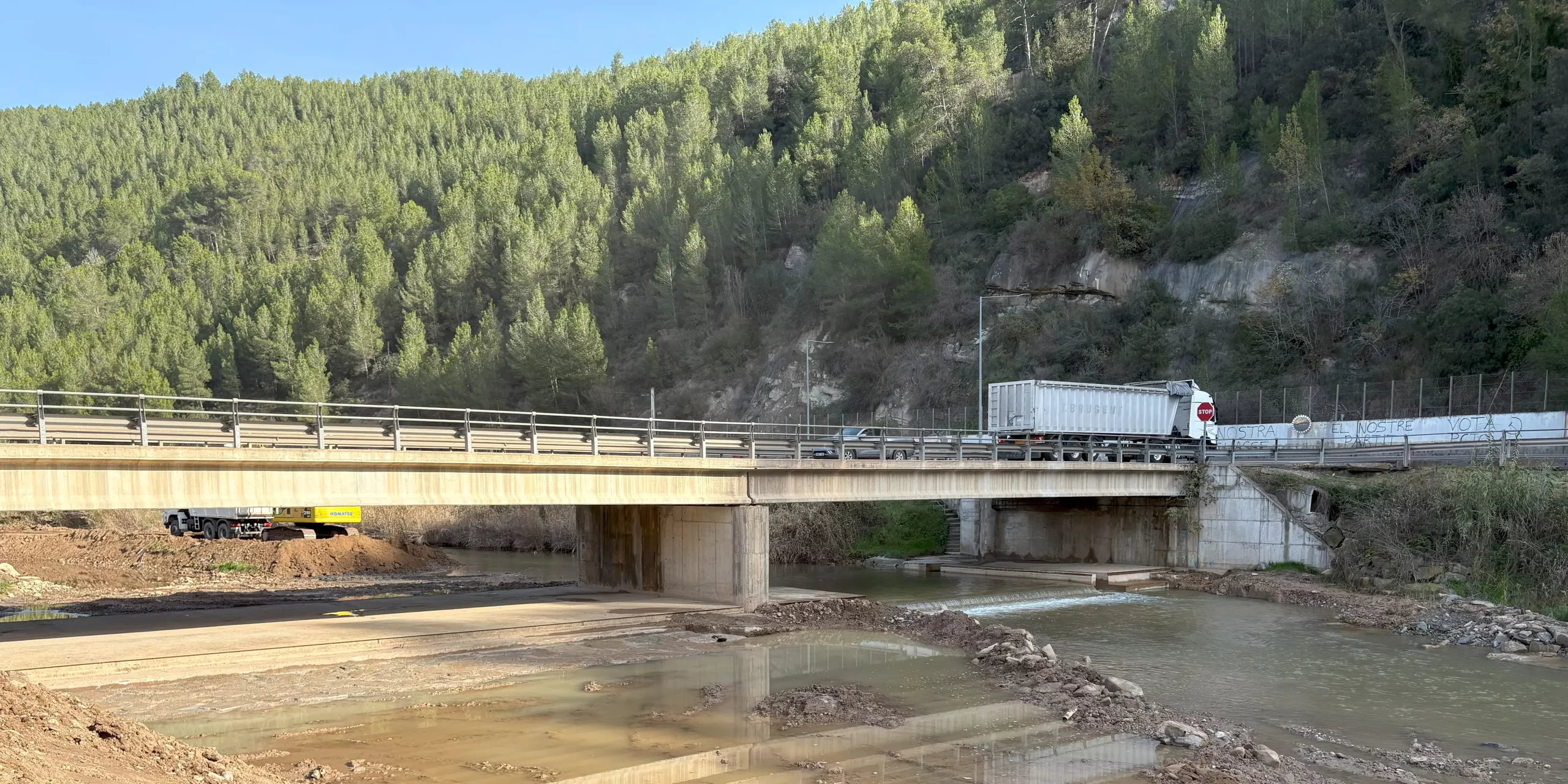
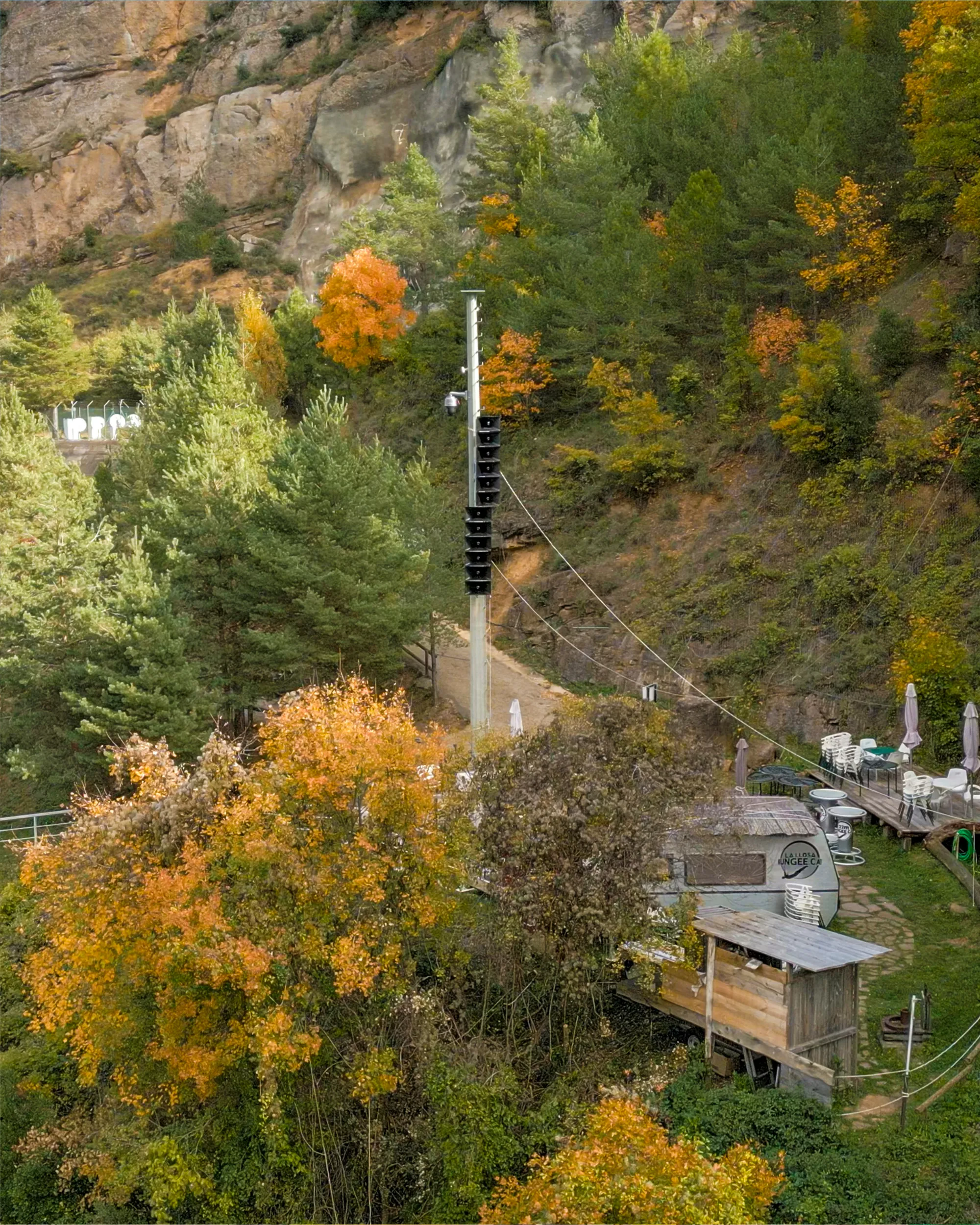
Commissioned by the Agència Catalana de l’Aigua (ACA), the joint venture between Constructora del Cardoner and Lafcarr carried out the installation of six high-power electronic sirens distributed along 18 kilometres of the Cardener River, as well as the construction of an emergency control room and the implementation of redundant communication systems.
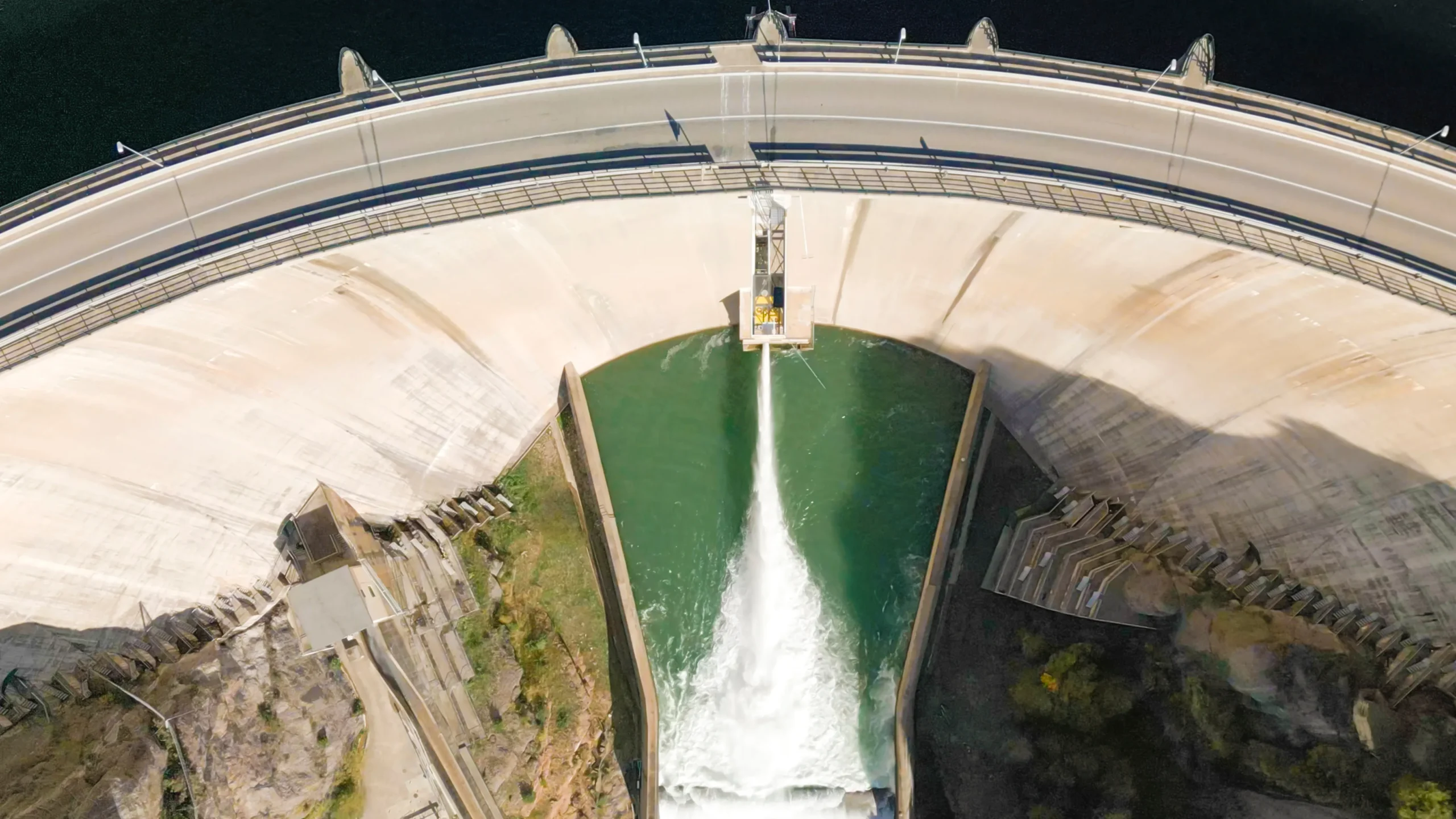
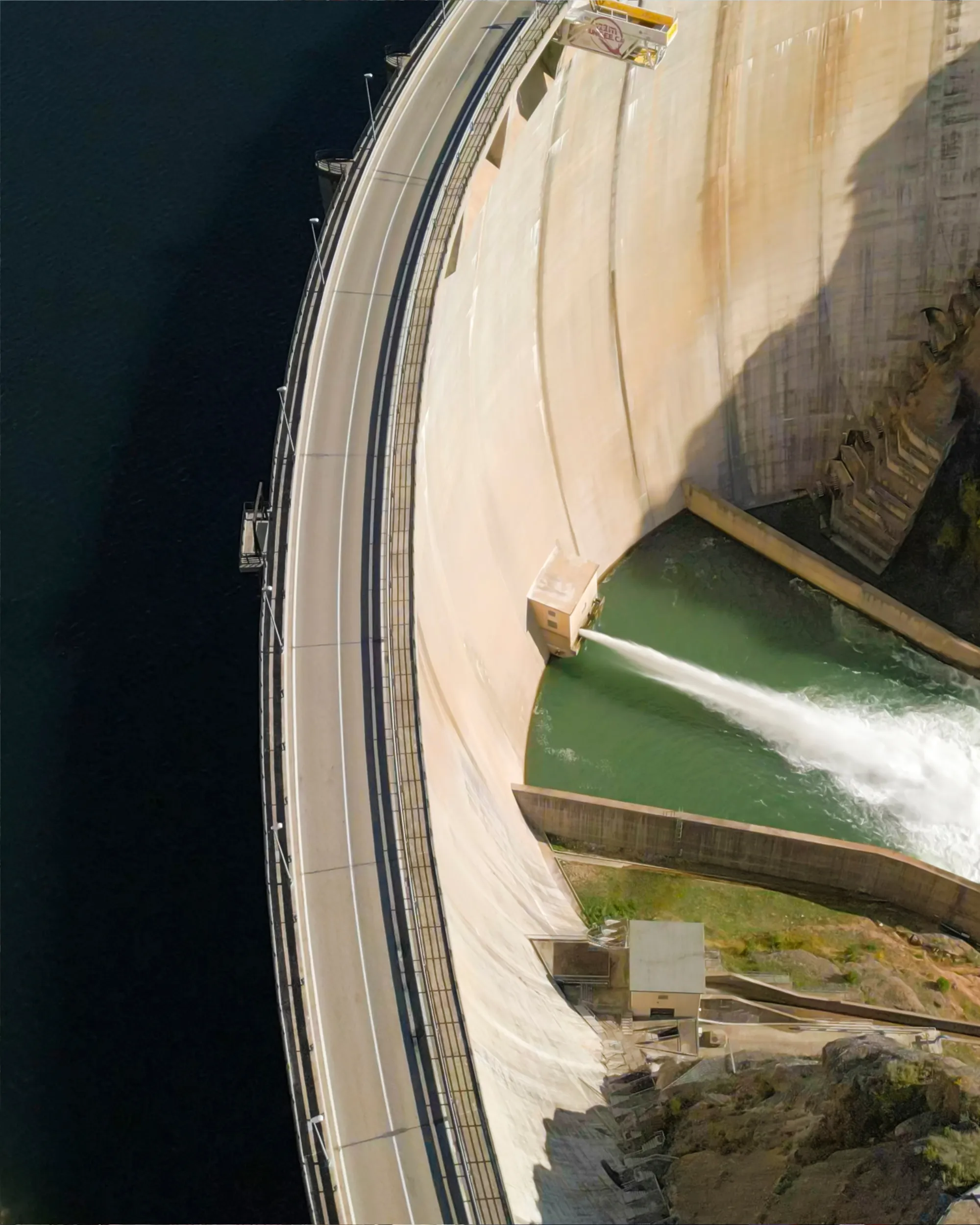
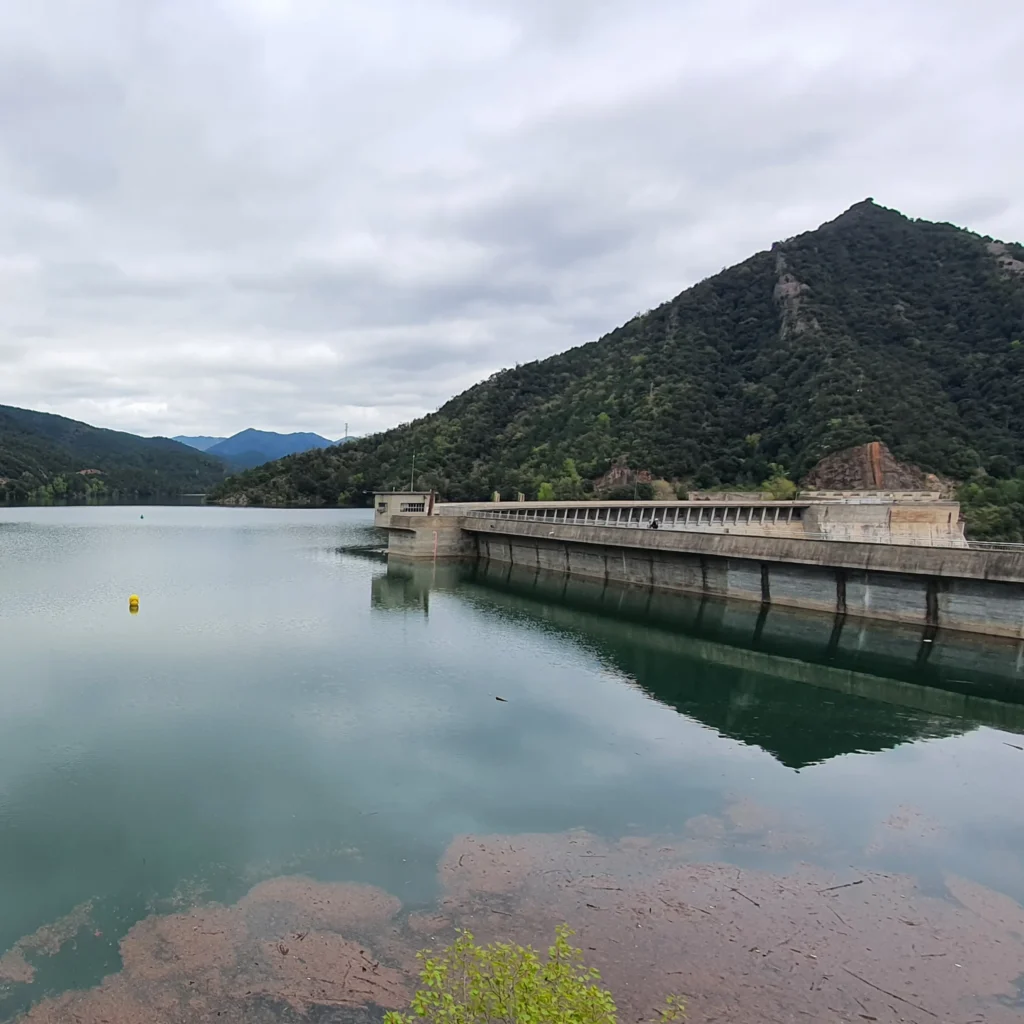
The implementation of the Emergency Plan for the Llosa del Cavall Dam forms part of the water and hydraulic infrastructure sector and aims to strengthen public safety in emergency scenarios through the installation of a highly reliable acoustic warning system.
The intervention was carried out in a protected natural environment while the dam remained operational, creating significant logistical and execution challenges. The installation of 11-metre-high sirens in difficult-to-access locations required precise coordination between civil works, building services and specialist technicians.
From a technological perspective, the system combines mobile communication networks with redundant VHF/UHF radio systems and TETRA technology, the latter specifically designed for emergency operations. In addition, all sirens operate autonomously through photovoltaic systems with battery storage, ensuring operability even in critical scenarios
- Year: 2025
- Duration (months): 6
- Location: Nav, Lladurs, Olius y Clariana de Cardener (Solsonès)
- Developer: Agencia Catalana de l'Aigua (ACA)
- Architecture: Idom
- Construction: UTE Constructora del Cardoner & Lafcarr
- Photography: Stupendastic
- Video: Stupendastic
Cardoner Aigua
-
Strengthen public safety
Implement a warning system capable of alerting the population during the first minutes of a hydraulic emergency.
-
Ensure maximum operational reliability
Integrate redundant communication and power supply systems to guarantee continuous infrastructure performance.
-
Deliver the project in a complex environment
Coordinate civil works and installations within a protected natural environment and alongside operational hydraulic infrastructure.